

Global Broker Regulation Inquiry App
About WikiFX
English
简体中文
繁體中文
English
Pусский
日本語
ภาษาไทย
Tiếng Việt
Bahasa Indonesia
Español
हिन्दी
Filippiiniläinen
Français
Deutsch
Português
Türkçe
한국어
العربية
اردو


Windsor Brokers: Regulation, Licences and WikiScore Analysis

WikiFX
|


Abstract:This Windsor Brokers review examines the broker’s regulatory licences, multi jurisdictional oversight, and WikiScore rating on WikiFX.
This Windsor Brokers review examines the broker‘s regulatory licences, multi jurisdictional oversight, and WikiScore rating on WikiFX. The broker currently holds a WikiScore of 6.52 out of 10, reflecting moderate regulatory credibility based on licensing, operational practices, and risk controls. For traders, understanding Windsor Brokers’ regulatory framework is essential when evaluating credibility and investor protection.
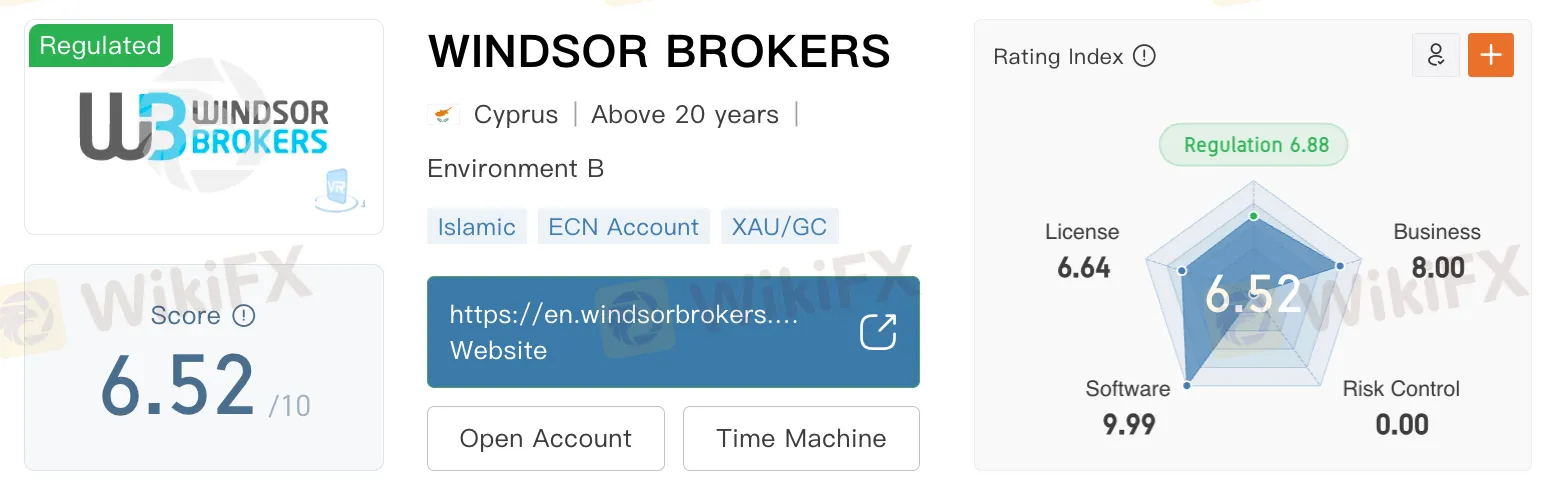
View WikiFXs full review on Windsor Brokers here: https://www.wikifx.com/en/dealer/1061981862.html
Windsor Brokers operates through several regulated entities. The broker holds licences from the Cyprus Securities and Exchange Commission (CySEC), the Capital Markets Authority of Kenya (CMA), the Seychelles Financial Services Authority (FSA), and the British Virgin Islands Financial Services Commission (BVI FSC). Each regulator maintains specific standards for capital adequacy, client fund protection, and operational compliance.
Cyprus Securities and Exchange Commission
Windsor Brokers is authorised by CySEC under a Market Making Licence (Licence Number 030/04). CySEC operates within the European Union framework and requires regulated firms to maintain segregated client accounts, comply with capital adequacy rules, and submit regular financial reports.
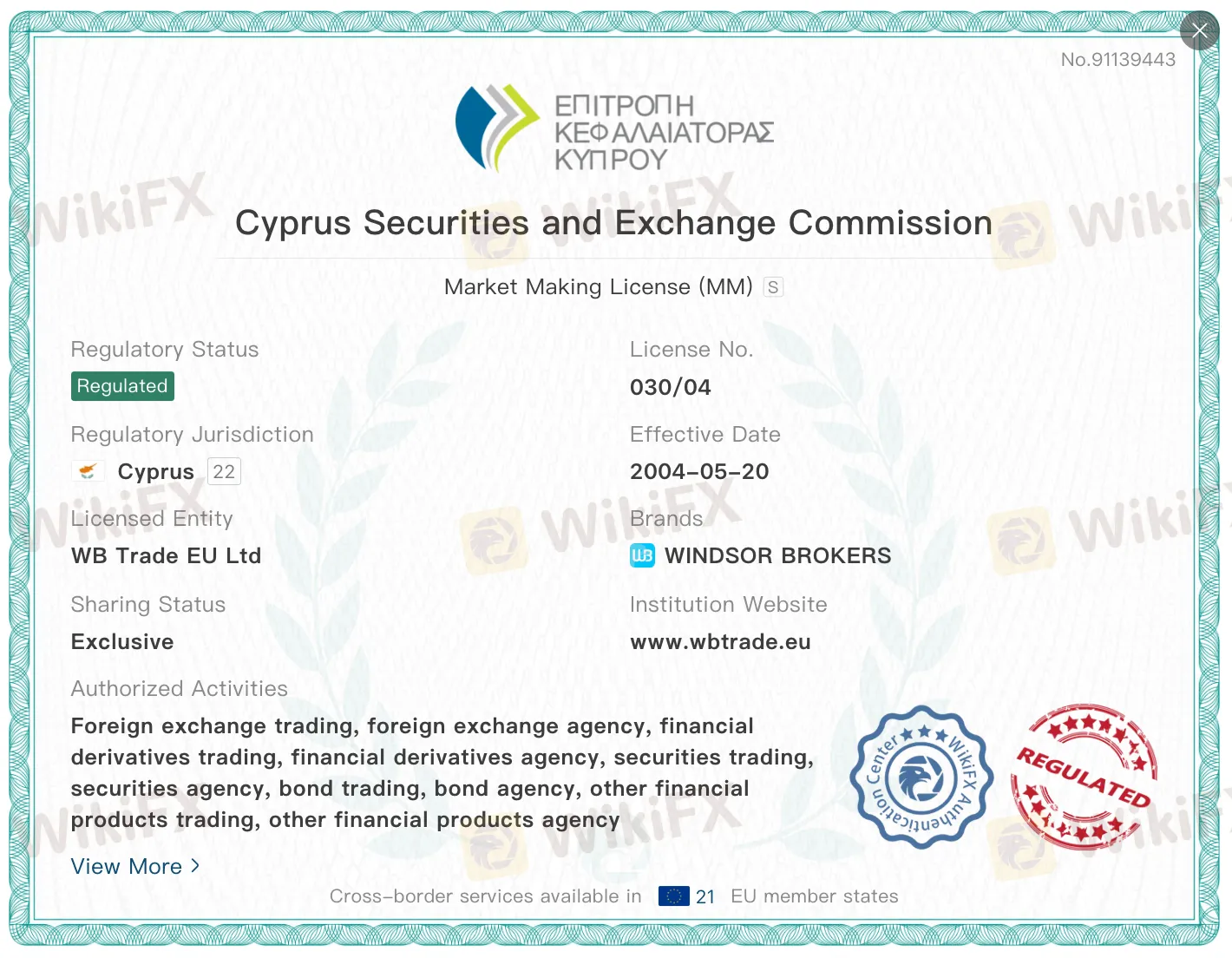
This licence allows Windsor Brokers to offer services across the European Economic Area. From a Windsor Brokers regulation perspective, CySEC supervision ensures adherence to European investor protection standards and transparency requirements.
Capital Markets Authority of Kenya
In Africa, Windsor Brokers is authorised by the CMA of Kenya under a Forex Execution Licence (Licence Number 156). CMA regulation requires firms to follow conduct of business rules, maintain financial records, and meet capital adequacy requirements.
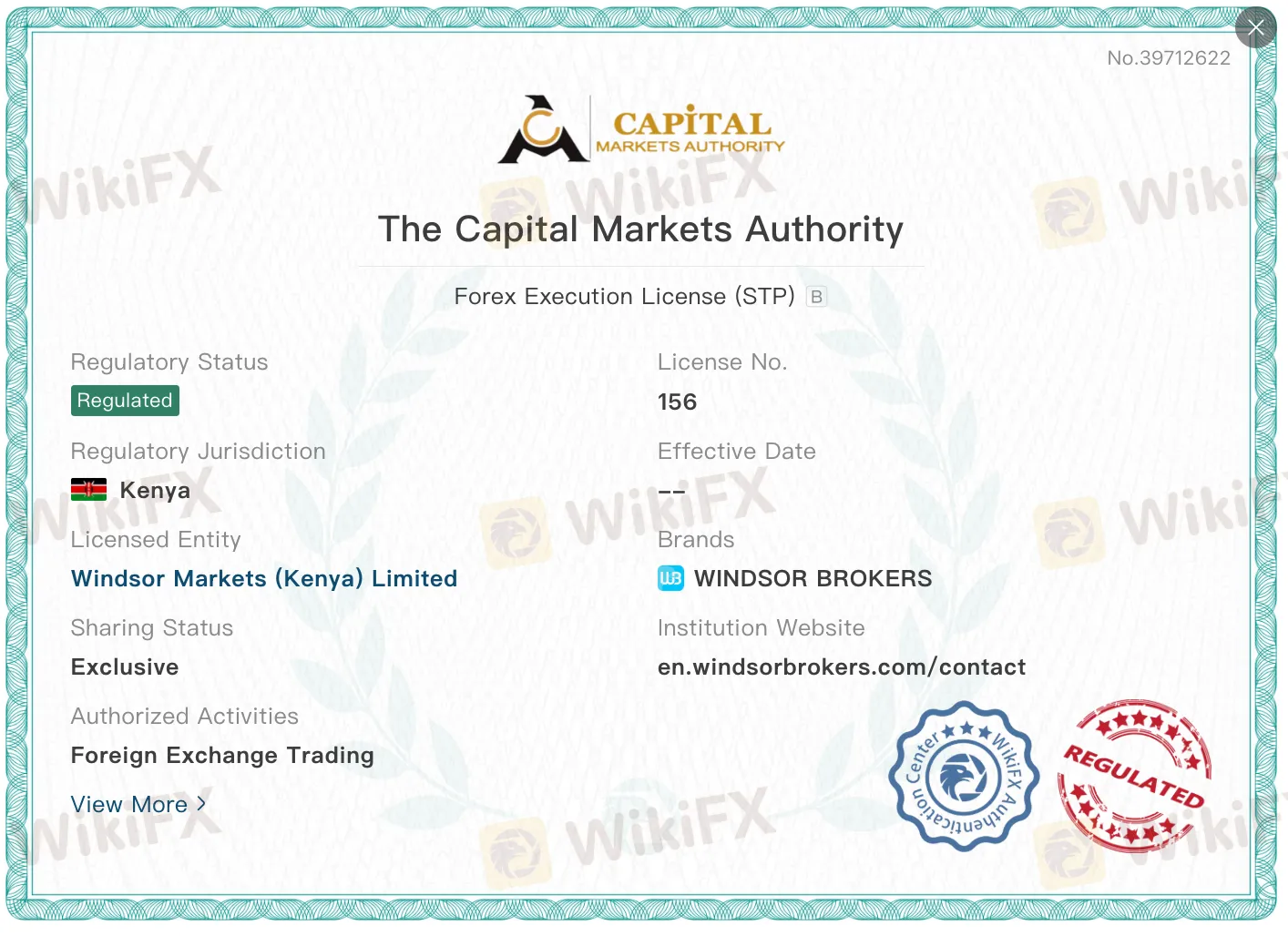
The broker operates under a Straight Through Processing (STP) model in Kenya, routing client orders directly to liquidity providers. This licence is an important element of regulation Windsor Brokers in the African market.
Seychelles Financial Services Authority
Windsor Brokers also holds a Derivatives Trading Licence from the Seychelles FSA (Licence Number SD072). The FSA supervises financial services providers in Seychelles, an offshore financial centre.
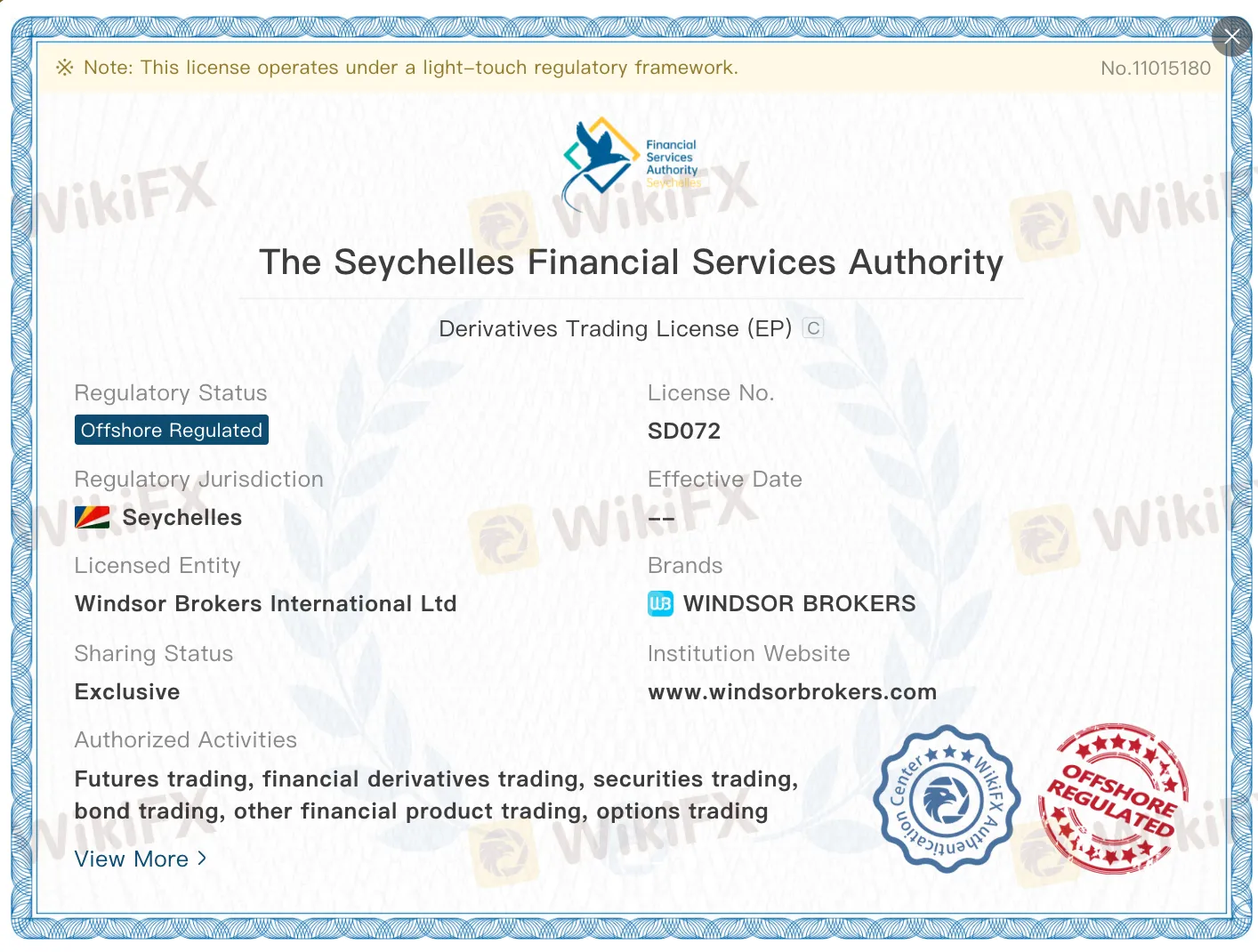
Offshore licences allow international operations, but investor protections, reporting requirements, and dispute resolution may differ from onshore regulators. From a review Windsor Brokers perspective, this licence highlights the brokers global reach while emphasising jurisdictional differences in safeguards.
British Virgin Islands Financial Services Commission
Additionally, Windsor Brokers is authorised by the BVI FSC under a Market Making Licence. This licence allows the broker to act as a counterparty to client trades, provided risk management and disclosure procedures are maintained.
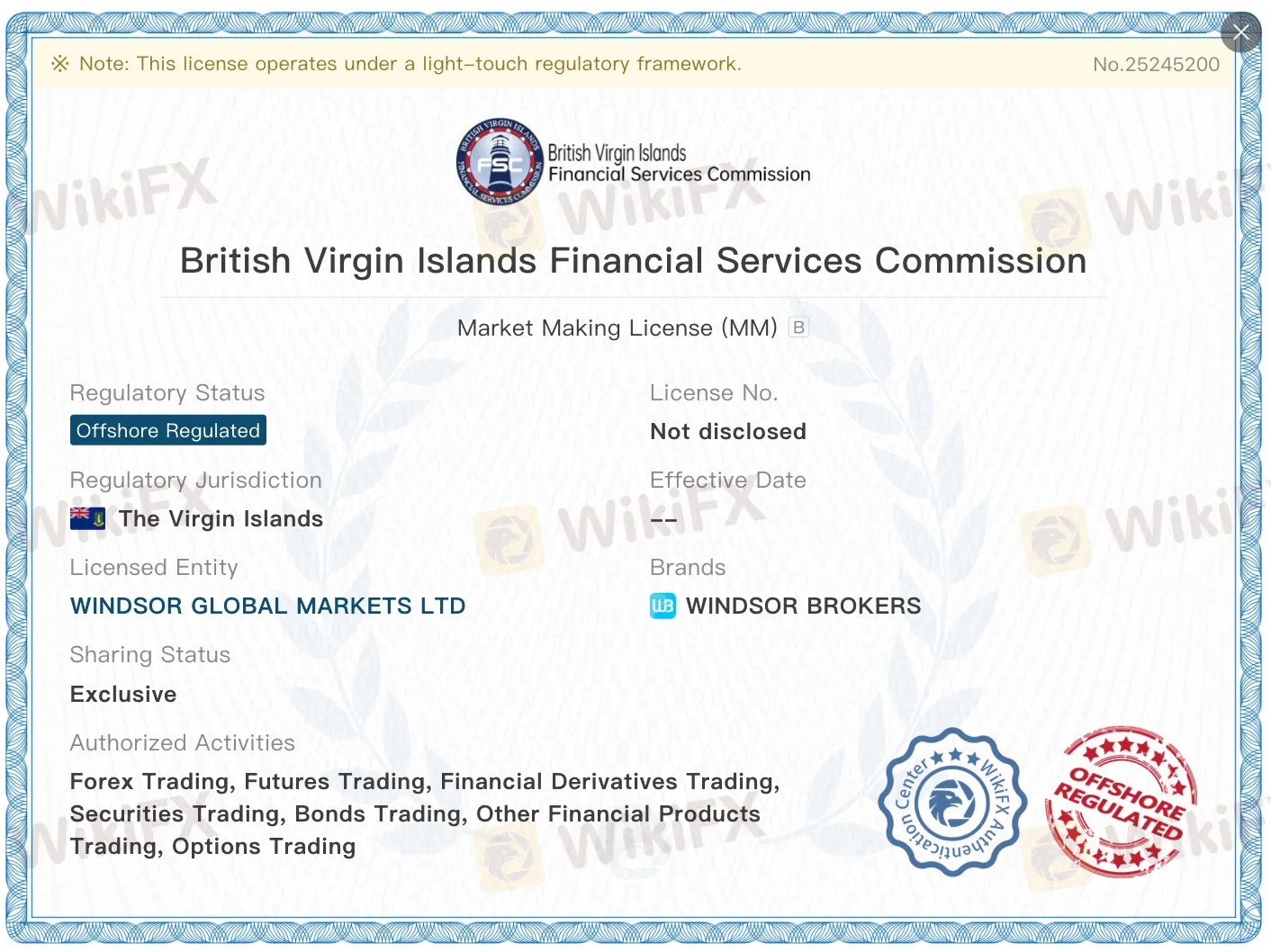
The BVI FSC supervises financial institutions incorporated in the territory and maintains standards for operational governance. While offshore protections may be limited compared with onshore regulators, this licence adds to Windsor Brokers international regulatory footprint.
Multi Regulation and Its Implications
Being regulated in multiple jurisdictions does not make a broker entirely risk-free. Different authorities enforce rules with varying stringency, and investor protections, such as compensation schemes or dispute resolution, may differ.
Clients may be onboarded under different legal entities depending on location. A European trader may fall under the CySEC entity, while an international client may be served through Seychelles or BVI entities. This affects the level of protection and recourse available, making it essential for traders to know which entity governs their account.
Regulatory oversight ensures compliance, fund segregation, and operational transparency but does not eliminate market or operational risk. Understanding the governing jurisdiction is therefore critical for informed decisions regarding Windsor Brokers review.
Traders should consider not only the number of licences but also the entity under which their account is registered, as this determines investor protection, dispute resolution, and regulatory oversight. While Windsor Brokers multi jurisdictional licences enhance credibility, jurisdictional context remains key when evaluating Windsor Brokers regulation.
Disclaimer:
The views in this article only represent the author's personal views, and do not constitute investment advice on this platform. This platform does not guarantee the accuracy, completeness and timeliness of the information in the article, and will not be liable for any loss caused by the use of or reliance on the information in the article.
WikiFX Broker
Latest News
BX Trade Review: Is This Unregulated Broker Worth the Risk?
WikiFXSTMARKET Review: Withdrawal Complaints Cloud a Low-Rated Broker, What to Know Before You Deposit
WikiFXWhy the Dollar Moves Almost Every Forex Pair
WikiFXCONSOB Orders Blocking of 24 Unauthorized Investment Websites
WikiFXBitDelta Receives UAE Category 5 Licence for Introducing Activities
WikiFXRinggit Gains on Majors but Slips vs US Dollar Ahead of Fed
WikiFXtrading.com Review: FCA-Regulated, But Withdrawal Complaints Persist
WikiFXDeriv Review: What Traders Should Know Before Depositing
WikiFXDollar Steadies as Rupee Finds Market Support
WikiFXPRIME VEST SAFE Review: Is Your Deposit Safe?
WikiFX