

Global Broker Regulation Inquiry App
WikiFX
English
简体中文
繁體中文
English
Pусский
日本語
ภาษาไทย
Tiếng Việt
Bahasa Indonesia
Español
हिन्दी
Filippiiniläinen
Français
Deutsch
Português
Türkçe
한국어
العربية
FXTRADING Financial Focus (Asia-Pacific 02/24)Rising U.S. Trade Costs Squeeze Profit Margins for UK
Abstract:The UK government has long promoted its trade relationship with the United States as a key achievement. Under the previously communicated framework between the two sides, British goods entering the U.
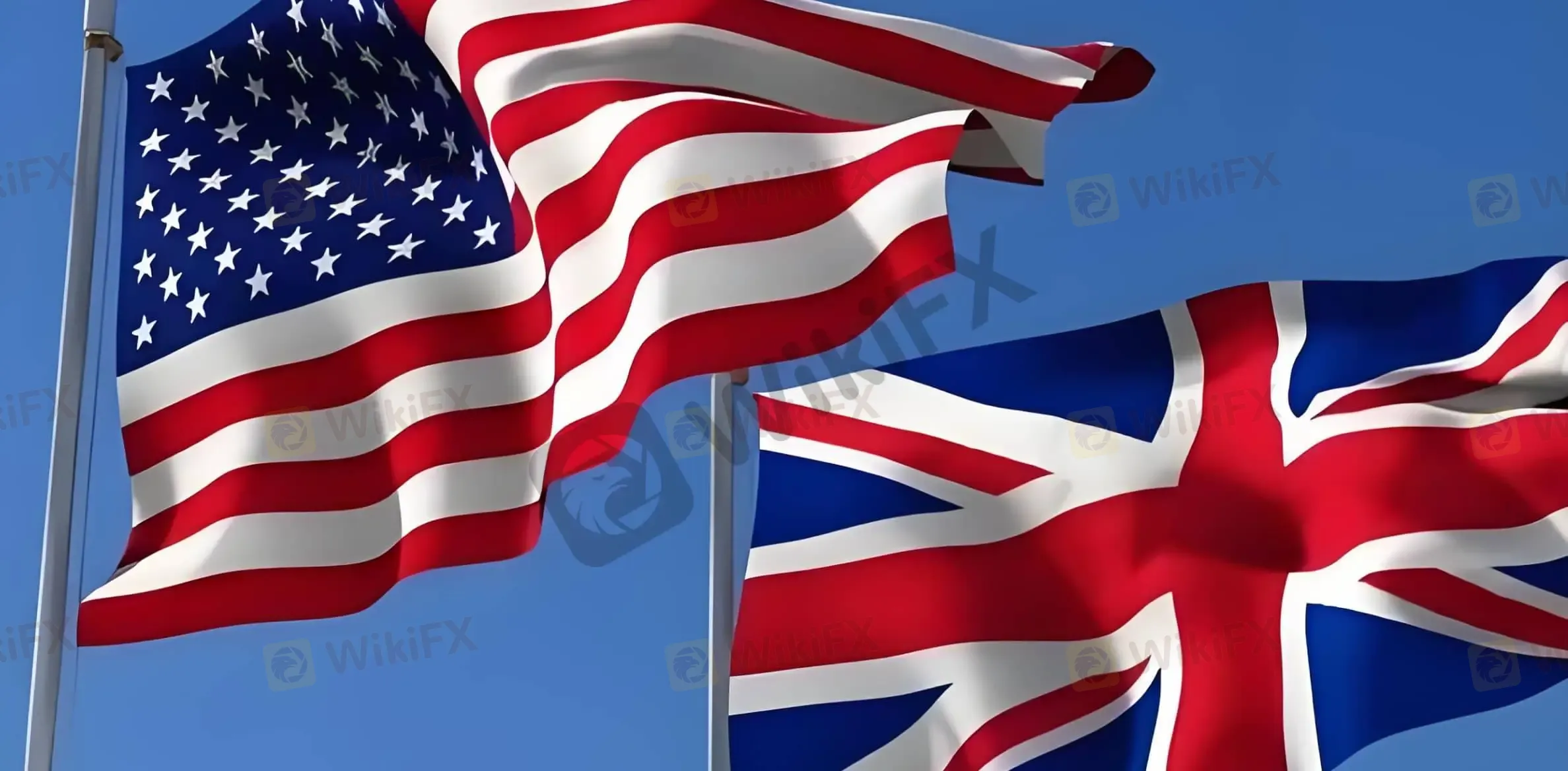
The UK government has long promoted its trade relationship with the United States as a key achievement. Under the previously communicated framework between the two sides, British goods entering the U.S. market were generally subject to reciprocal tariffs of around 10%, placing the UK in a relatively favorable position compared with many other countries. This allowed a number of UK exporters to maintain a degree of pricing competitiveness. Markets had once viewed this preferential arrangement as an important buffer for stabilizing the UKs external trade amid intensifying global trade frictions.
However, the United States has proposed applying a higher universal tariff level across countries, with the rate potentially rising to 15%. If fully implemented, the UKs existing tariff advantage would be significantly reduced. Estimates from relevant institutions suggest that among major trading partners, the UK could face one of the largest increases in tariff burdens. This implies that the competitive edge built in recent years may be reshuffled in a short period of time.
UK business groups estimate that a broad tariff increase could raise the cost of exports to the United States by around GBP 3 billion, affecting approximately 40,000 companies. For manufacturers, consumer goods firms, and small and medium-sized exporters that rely heavily on the U.S. market, profit margins would come under clear pressure. Some companies have already begun reassessing their order structures and pricing strategies, with business decisions becoming more cautious.
The UK government is maintaining intensive diplomatic communication with Washington in an effort to secure clearer exemption arrangements or preserve previous preferential treatment. However, before formal policy guidance is finalized, companies can only budget based on higher tariff assumptions, making operational planning for the coming months particularly challenging. For businesses, the uncertainty created by shifting policy expectations is even harder to manage than the rise in costs itself.
From a structural perspective, special arrangements previously negotiated for sectors such as steel, automobiles, and certain pharmaceutical products are expected to remain in place, limiting the short-term impact on these industries. However, a broader range of consumer goods and general manufactured products will face the same tariff environment as other countries. From whisky to toys, companies that once relied on brand strength and distribution advantages are now forced to confront rising cost pressures and a redistribution of market share.
At the same time, the U.S. government is simultaneously managing multiple multilateral trade negotiations and tariff adjustments worldwide, leaving its policy focus relatively dispersed. Combined with recent frictions surrounding geopolitical and security issues, the stability of the UK–U.S. relationship has come under some strain. For the UK, the difficulty of securing priority treatment or special arrangements in the coming months has clearly increased.
Over the longer term, the structure of UK exports to the United States may be forced to adjust, with some companies considering a shift toward the EU or Asia-Pacific markets to diversify risk. Alternatively, investment plans may be delayed, particularly for small and medium-sized firms dependent on cross-border orders, which are more inclined to adopt a conservative approach amid cost and demand uncertainty. This could place additional pressure on the UK manufacturing sector and employment. From the perspective of FXTRADING, rising trade uncertainty typically leads to more cautious capital flows. If weakening export expectations begin to weigh on the economic outlook, market expectations for monetary easing by the Bank of England may strengthen, limiting upside potential for the currency. Meanwhile, risk sentiment driven by policy volatility could periodically boost demand for the U.S. dollar, suggesting that trading opportunities in global markets are more likely to come from volatility itself rather than a sustained one-way trend.
Disclaimer:
The views in this article only represent the author's personal views, and do not constitute investment advice on this platform. This platform does not guarantee the accuracy, completeness and timeliness of the information in the article, and will not be liable for any loss caused by the use of or reliance on the information in the article.
WikiFX Broker
Latest News
Spotware Refines cTrader Infrastructure as Broker Ecosystem Expands
 WikiFX
CME Group Moves to 24/7 Trading for Digital Asset Derivatives
WikiFXIs The US Dollar About to Crash?
WikiFXIs AssetsFX Safe or Scam: Looking at Real User Feedback and Complaints
WikiFXTrump Defies Supreme Court with 15% Global Tariff; Record Retail Flows Buffer Market Impact
WikiFXRetail FX Insight: Volatility Squeeze and Regulatory Risks Persist as iFOREX Eyes IPO
WikiFX$128M Crypto Scam: Chinese Suspect Nabbed in Thailand
WikiFXIs Cabana Capital Safe or Scam: Looking at Real User Reviews and Common Problems
WikiFXThe Trading Pit Launches Regulated Brokerage Unit 'TTP Markets' in Strategic Pivot
WikiFXProp Trading Industry Pivots to Futures to Secure US Market Access
WikiFXCurrency Calculator
USD

CNY
Current Rate:0
Amount
USD
Available
CNY
Calculate 