


Global Broker Regulation Inquiry App
About WikiFX
English
简体中文
繁體中文
English
Pусский
日本語
ภาษาไทย
Tiếng Việt
Bahasa Indonesia
Español
हिन्दी
Filippiiniläinen
Français
Deutsch
Português
Türkçe
한국어
العربية
اردو
US and India Strike Interim Trade Accord; New Delhi to Halt Russian Oil Imports
Abstract:The United States and India have finalized a provisional trade framework requiring New Delhi to halt Russian oil imports in exchange for the lifting of punitive tariffs. The deal includes a commitment from India to purchase $500 billion in US goods over five years, sparking a sharp rally in the Indian Rupee.
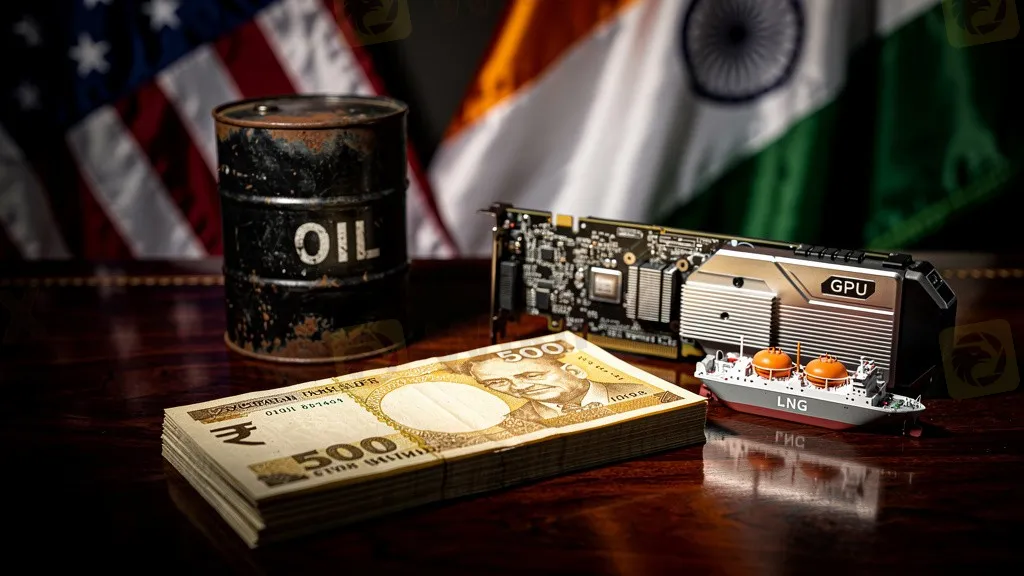
The United States and India announced a breakthrough interim trade framework on Friday, resolving months of economic friction. The agreement, steered by the Trump administration and Prime Minister Narendra Modi's government, establishes a new reciprocal tariff structure and mandates a significant geopolitical pivot regarding India's energy supply chain.
The Russian Oil Ultimatum
In a decisive geopolitical move, the framework is contingent upon India ceasing the import of Russian crude oil—both directly and indirectly. This provision addresses Washington's persistent concern that New Delhi's energy purchases were financially supporting the war in Ukraine.
To ensure adherence, the US has implemented a strict monitoring mechanism. Full compliance will trigger the removal of existing “punitive” tariffs of 25% on Indian goods. However, the administration has warned that any resumption of Russian oil flows will result in immediate “additional actions,” likely including the reinstatement of heavy levies.
$500 Billion Purchase Commitment
A core pillar of the agreement is India's commitment to purchase $500 billion worth of US goods over the next five years. This target represents a doubling of current import volumes and focuses on high-value strategic sectors:
- Energy: Significant increases in US oil, natural gas, and coking coal imports.
- Technology: Procurement of high-end tech products, specifically Graphics Processing Units (GPUs) for AI and data center infrastructure.
- Aviation & Defense: Expanded orders for aircraft and military hardware.
Tariff Structures and FX Impact
Despite the cooperative tone, the US will apply a 18% reciprocal tariff on the majority of Indian industrial and agricultural imports. In return, India has agreed to lower non-tariff barriers and open its market to specific US exports, including ethanol byproducts (DDGS), nuts, and wines. Notably, India maintained protectionist measures on sensitive domestic agricultural sectors such as dairy, wheat, and rice.
Markets reacted aggressively to the news. The Indian Rupee (INR) posted its strongest single-day rally in seven years, buoyed by the removal of the punitive tariff threat and the improved long-term trade outlook. Analysts suggest the deal provides a stabilizing anchor for the INR while simultaneously narrowing the US trade deficit through the aggressive purchase commitments.
Disclaimer:
The views in this article only represent the author's personal views, and do not constitute investment advice on this platform. This platform does not guarantee the accuracy, completeness and timeliness of the information in the article, and will not be liable for any loss caused by the use of or reliance on the information in the article.
WikiFX Broker
Latest News
RoboMarkets Review: Regulation Questions Around a Broker Facing Fresh Trading Complaints
 WikiFX
Review 2026: Deriv Regulation, Complaints, and Withdrawal Risk Signals
WikiFXDSI Exposes Alleged Forex Empire Behind Billion Baht Scam, Money Laundering and Political Connection
WikiFXIUX Review:Before Investing a Single Penny, Read These Jaw-Dropping Deposit & Withdrawal Experiences
WikiFXStop Trading in the Middle of Ranging Forex Markets
WikiFXFXTF Review 2026: Regulation, Withdrawals, and Scam Allegations
WikiFXIG Review 2026: Is This Forex Broker Safe?
WikiFXsquaredfinancial Review 2026: Is This Forex Broker Safe?
WikiFXFXTF Review 2026: Japan FSA Regulation, Platform Access, and Exposure Cases
WikiFXReview 2026: FBS Regulation, Complaints, and Withdrawal Risk Signals
WikiFXCurrency Calculator
USD

CNY
Current Rate:0
Enter amount
USD
Redeemable Amount
CNY
Calculate 