


Global Broker Regulation Inquiry App
About WikiFX
English
简体中文
繁體中文
English
Pусский
日本語
ภาษาไทย
Tiếng Việt
Bahasa Indonesia
Español
हिन्दी
Filippiiniläinen
Français
Deutsch
Português
Türkçe
한국어
العربية
اردو
Intervention Watch: NY Fed 'Rate Check' Signals US-Japan Alliance Against Yen Weakness
Abstract:A rate check by the New York Fed has triggered a sharp sell-off in USD/JPY, signaling a pivotal shift in US foreign exchange policy toward coordinated intervention with Japan.
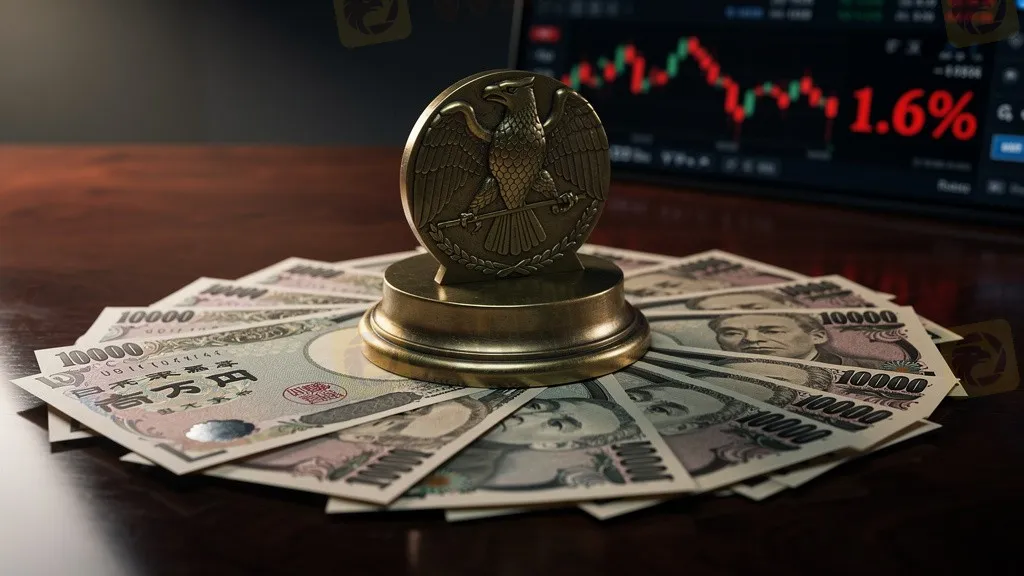
The long-standing market assumption that the United States would remain on the sidelines regarding the Japanese Yen's depreciation was shattered this week. A strategic inquiry into the USD/JPY exchange rate by the Federal Reserve Bank of New York triggered a rapid 1.6% plunge in the pair, effectively acting as a verbal intervention.
A Shift in US Policy Stance
According to analysis from Bank of America (BofA), this move represents a critical pivot in US foreign exchange policy. For over a decade, Washington has largely adhered to a “market-determined” exchange rate philosophy, offering only tacit approval for unilateral actions by Japan's Ministry of Finance. The direct involvement of the NY Fed trading desk suggests a move toward coordinated action, potentially driven by multiple strategic motives:
- Trade Competitiveness: Curbing excessive Dollar strength to support US exports.
- Bond Market Stability: Preventing Japan from needing to liquidate vast sums of US Treasuries (USTs) to fund their own solo intervention.
- Diplomatic Leverage: Supporting the Japanese administration ahead of the critical February 8 general election.
The Election Factor
The timing is politically sensitive. With the Japanese general election looming, the current administration is under pressure to stabilize the currency to mitigate imported inflation without crashing the Japanese stock market. BofA analysts suggest the immediate goal is to cap USD/JPY below 160 and ideally steer it toward a fundamentally justifiable 135-145 range.
Market Implications
The “single-way bet” against the Yen is officially dangerous. Traders must now account for a dual-threat of intervention from both Tokyo and Washington. While fundamental interest rate differentials (Fed vs. BoJ) still favor the Dollar in the long term, the immediate geopolitical ceiling has been solidified.
Disclaimer:
The views in this article only represent the author's personal views, and do not constitute investment advice on this platform. This platform does not guarantee the accuracy, completeness and timeliness of the information in the article, and will not be liable for any loss caused by the use of or reliance on the information in the article.
WikiFX Broker
Latest News
Rupee Strengthens as Oil Slides Ahead of Fed
 WikiFX
IG Review 2026: Strong Regulation but Heavy Clone Risks
WikiFXEZINVEST Review 2026: Severe Withdrawal Complaints and High Risk
WikiFXUK inflation holds steady at 2.8% in May
WikiFXSEVEN STAR FX Review 2026: Should You Trade with This Broker?
WikiFXIG Review 2026: Regulation Strength, Clone Warnings, and Withdrawal Complaints
WikiFXReview 2026: OROKU EDGE Regulation Warnings, Withdrawal Complaints, and High Leverage Risks
WikiFXOANDA Review: Regulation Strength Meets Broker Withdrawal Complaints
WikiFXMetadoro Review 2026: Should You Trade with This Broker?
WikiFXTMGM Review 2026: Should You Trade with This Broker?
WikiFXCurrency Calculator
USD

CNY
Current Rate:0
Enter amount
USD
Redeemable Amount
CNY
Calculate 