Abstract:New findings raise concerns over Zenstox’s offshore licensing, internal trading structure, and reported fund access issues.
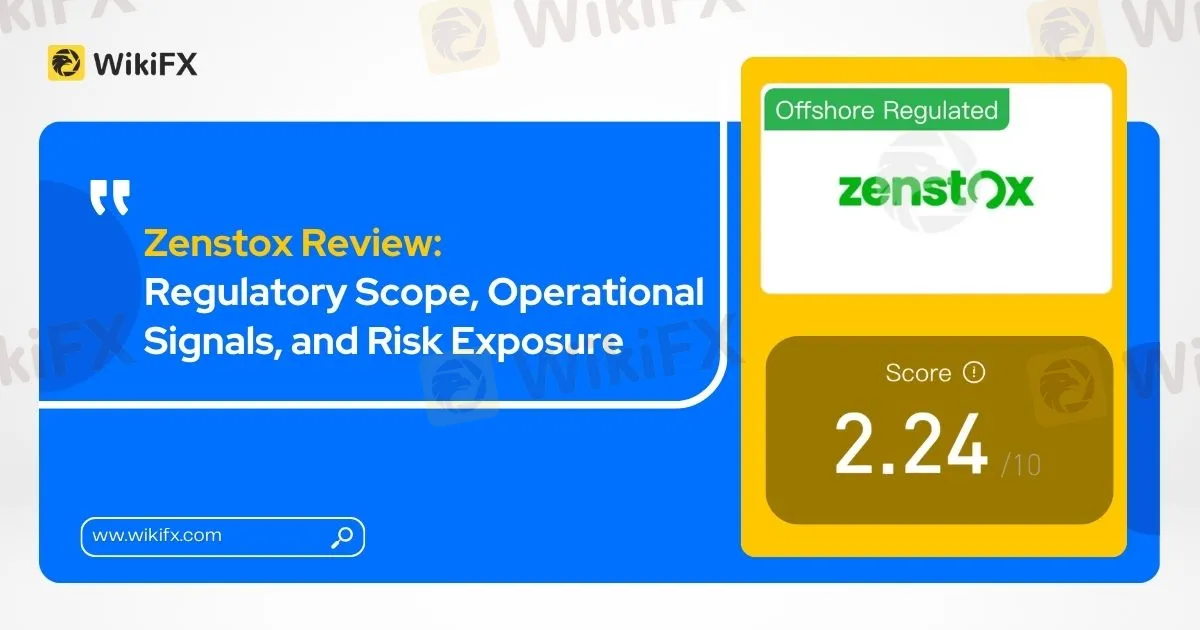
Zenstox is an online trading platform operated by VIE Finance Sey Ltd, offering access to forex and CFD products across multiple asset classes. While the broker positions itself as a global trading service, a closer examination of its regulatory coverage, operational structure, and exposure records reveals several risk indicators that traders should carefully evaluate.
Information compiled from WikiFX data, regulatory disclosures, and user exposure reports suggests that Zenstoxs risk profile differs notably from brokers operating under stronger regulatory frameworks.
 Contents
Regulatory Coverage: What Offshore Licensing Really Means
According to WikiFX records, Zenstox holds a derivatives trading license issued by the Seychelles Financial Services Authority (FSA). This type of license falls under an offshore regulatory framework, which typically applies a lighter supervisory approach compared to major onshore regulators.
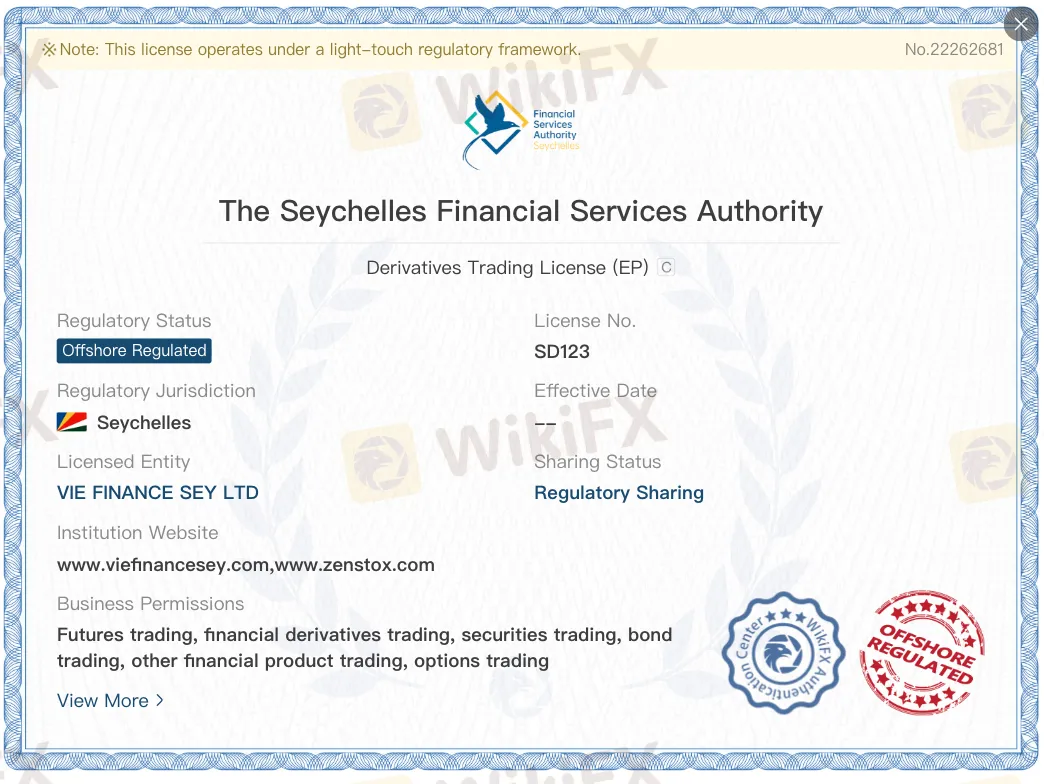
From a risk perspective, offshore licensing often involves:
- Limited enforcement of client fund segregation
- Reduced requirements for ongoing compliance audits
- Fewer formal mechanisms for handling investor disputes
While such licenses are legally valid within their jurisdiction, they do not provide the same level of structural protection commonly associated with regulators such as FCA, ASIC, or CySEC. This distinction is particularly relevant for retail traders who may assume that all “licensed” brokers operate under equivalent safeguards.
WikiFX Risk Assessment and Safety Score
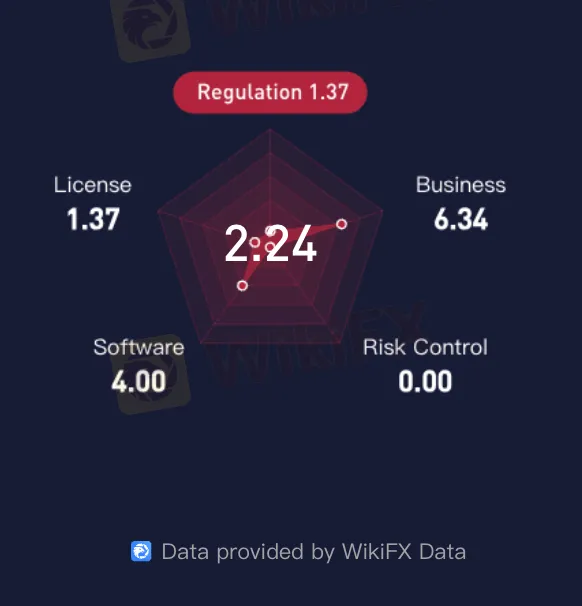
On WikiFX, Zenstox currently carries a low overall safety score, reflecting weaknesses across several core assessment dimensions. The WikiFX scoring system evaluates brokers based on multiple verifiable factors, including regulatory strength, risk control mechanisms, software environment, and historical exposure records.
For Zenstox, the score highlights:
- Weak regulatory depth due to offshore supervision
- Absence of verified risk-control mechanisms
- Limited transparency in operational safeguards
Rather than focusing on marketing claims, the WikiFX score is derived from objective data points, placing Zenstox in a comparatively higher-risk category within the broader trading platform landscape.
A Structural Risk Angle: Platform Control and Fund Access

Another notable risk indicator lies in Zenstoxs platform structure. WikiFX information shows that the broker currently lacks a verifiable, independently audited trading software environment.
From a risk-control standpoint, this raises several concerns:
- Trade execution logic and pricing processes remain internally controlled
- Order handling and execution transparency cannot be independently verified
- Withdrawal approval processes rely heavily on internal decision-making
When platform operations, pricing, and fund access are managed within the same internal system, traders face increased dependency on the brokers internal controls rather than externally supervised mechanisms.
Sales-Driven Account Management Signals
In addition to structural indicators, user exposure reports published on WikiFX reveal recurring patterns related to account handling and sales practices.
Multiple users describe scenarios involving:
- Promised profits followed by withdrawal restrictions
- Additional deposit requests framed as “risk protection” or “account unlocking”
- Account balances showing profits while withdrawal requests remain unresolved
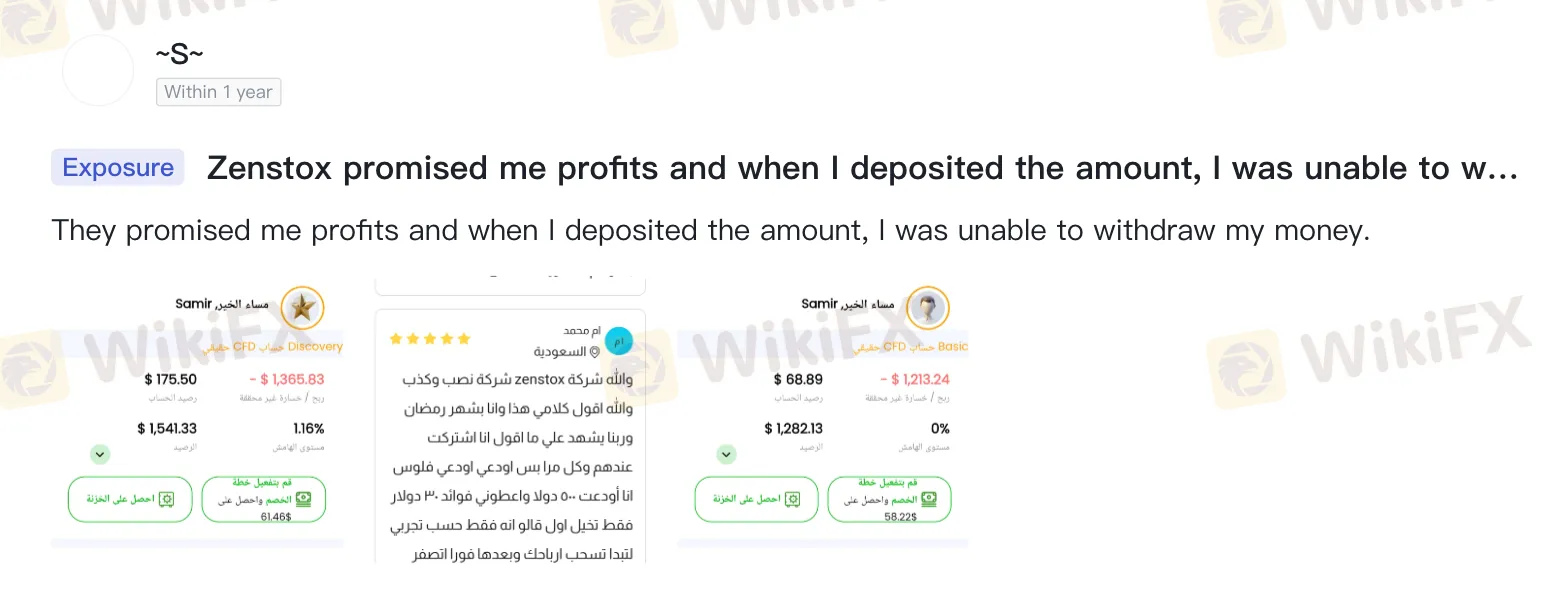

These user submissions, collected over time, point to a sales-driven account management approach where continued trading or further deposits are encouraged instead of facilitating fund withdrawals. While individual cases may vary, the consistency of these reports adds context to the broader operational risk profile.
Additional user complaints and exposure records can be found on the WikiFX broker profile page: https://www.wikifx.com/en/dealer/1165781752.html
How These Signals Connect
Viewed together, Zenstoxs risk profile is shaped not by a single red flag, but by a combination of reinforcing factors:
- Offshore regulatory coverage with limited oversight
- Low safety score based on objective WikiFX metrics
- Absence of verified trading software
- Repeated user exposure reports related to withdrawals and account control
Each element contributes to a pattern that traders should assess carefully before committing funds.
About WikiFX
WikiFX is a global broker information platform focused on regulatory verification, risk alerts, and data-based evaluations. By aggregating official licensing records, platform disclosures, and real user exposure cases, WikiFX provides traders with factual references to assess potential risks.
Reviewing regulatory depth, safety scores, and historical exposure records remains a practical step for managing trading risk before engaging with any online trading platform.