

Global Broker Regulation Inquiry App
About WikiFX
English
简体中文
繁體中文
English
Pусский
日本語
ภาษาไทย
Tiếng Việt
Bahasa Indonesia
Español
हिन्दी
Filippiiniläinen
Français
Deutsch
Português
Türkçe
한국어
العربية
اردو
Eurozone Expands: Bulgaria Becomes 21st Member as ECB Maintains Steady Hand
Abstract:Bulgaria has officially joined the Eurozone as its 21st member, marking a significant structural expansion for the single currency block. The move brings Bulgaria's central bank governor into the ECB's decision-making fold as policymakers signal a steady rate path for 2026.
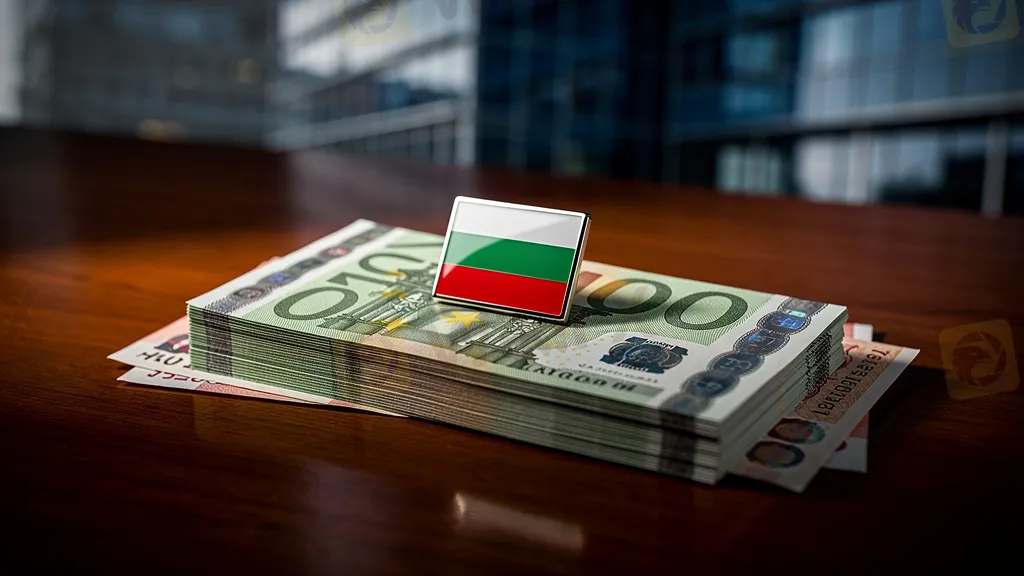
As of January 1, 2026, the Eurozone has officially expanded to 21 members with the accession of Bulgaria. This structural shift comes as the European Central Bank (ECB) signals a period of policy stability, aiming to solidify economic integration amidst global uncertainty.
Structural Integration and Market Impact
Bulgaria‘s adoption of the Euro (EUR) eliminates exchange rate risk for the Balkan nation and further consolidates the Euro’s reach in Eastern Europe.
Policy Outlook: Stability Prevails
The expansion comes at a time of relative calm for European monetary policy. Following a cycle of adjustments in prior years, the ECB is widely expected to hold interest rates steady near 2.0% for the foreseeable future.
Analyst View: The immediate Forex impact is neutral to slightly positive for the Euro, primarily due to the removal of conversion costs and increased transactional efficiency in the region. The focus remains on the ECBs broader reaction to global macro shocks rather than this expected structural change.
Disclaimer:
The views in this article only represent the author's personal views, and do not constitute investment advice on this platform. This platform does not guarantee the accuracy, completeness and timeliness of the information in the article, and will not be liable for any loss caused by the use of or reliance on the information in the article.
WikiFX Broker
Latest News
TRANS X MARKETS Review 2026: Unregulated Status and Serious Withdrawal Complaints
 WikiFX
RyvoTrade Review 2026: Unregulated Status and Withdrawal Complaints
WikiFXPhillip Nova Review 2026: Should You Trade with This Broker?
WikiFXGFS Review 2026: Withdrawal Complaints, Weak Regulation Data, and Account Access Risks
WikiFXYen Firms While Dollar Pauses
WikiFXStoneX Review 2026: Should You Trade with This Broker?
WikiFXThinking About KATOPRIME? What Every Trader Should Know Before Depositing Funds
WikiFXYour Backtesting Results Mean Nothing If You Ignore This One Live Trading Reality
WikiFXHow Pig Butchering Scams Drain Beginner Trading Accounts
WikiFXWeltrade Review 2026: Is This Forex Broker Safe?
WikiFX