Abstract:SYDNEY — The Australian Dollar (AUD) has emerged as the clear winner in the late-2025 currency sweepstakes, surging to a 14-month high of 0.6727 against the US Dollar on Monday. The currency is being propelled by a perfect storm of hawkish domestic monetary policy and a historic realignment in global commodity markets.
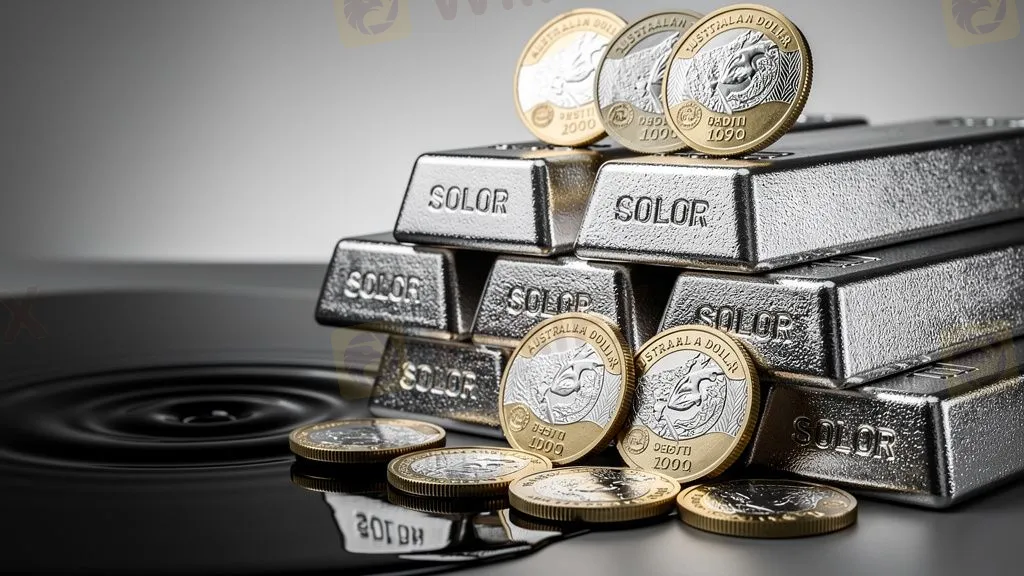
SYDNEY — The Australian Dollar (AUD) has emerged as the clear winner in the late-2025 currency sweepstakes, surging to a 14-month high of 0.6727 against the US Dollar on Monday. The currency is being propelled by a perfect storm of hawkish domestic monetary policy and a historic realignment in global commodity markets.
RBA Stands Alone
While the Fed loosens policy, the Reserve Bank of Australia (RBA) signaled in its December minutes that rates are not yet restrictive enough. With core inflation sticky and inflation expectations rebounding to 4.7%, markets are now pricing in a potential hike to 3.85% in early 2026. This stark policy divergence is driving carry-trade flows back into the Aussie.
The Silver-Oil Flip
Adding fuel to the AUD rally is a rare phenomenon in the commodities complex: the price of spot Silver has surpassed the price of WTI Crude Oil.
- Silver (XAG/USD): Trading near $75.89/oz, driven by industrial demand from the solar and AI sectors.
- WTI Crude Oil: Languishing near $57.39/bbl, depressed by global oversupply and demand shifts.
This inversion—where clean energy metals drastically outperform fossil fuels—disproportionately benefits Australia's mining-heavy export basket. Analysts at IG Markets suggest that if the “commodity supercycle” in metals continues into 2026, the AUD could see further structural appreciation, decoupling from traditional oil-correlated assets like the Canadian Dollar.
Disclaimer:
The views in this article only represent the author's personal views, and do not constitute investment advice on this platform. This platform does not guarantee the accuracy, completeness and timeliness of the information in the article, and will not be liable for any loss caused by the use of or reliance on the information in the article.