

Global Broker Regulation Inquiry App
About WikiFX
English
简体中文
繁體中文
English
Pусский
日本語
ภาษาไทย
Tiếng Việt
Bahasa Indonesia
Español
हिन्दी
Filippiiniläinen
Français
Deutsch
Português
Türkçe
한국어
العربية
اردو
Oil Markets: Geopolitics Mask a Looming 2026 Supply Structure Shock
Abstract:While WTI Crude climbed 1.2% to trade near $57.43 on Monday driven by immediate war risks, the medium-term outlook for energy markets is turning increasingly bearish. A structural super-glut is forming that could redefine market dynamics by 2026.
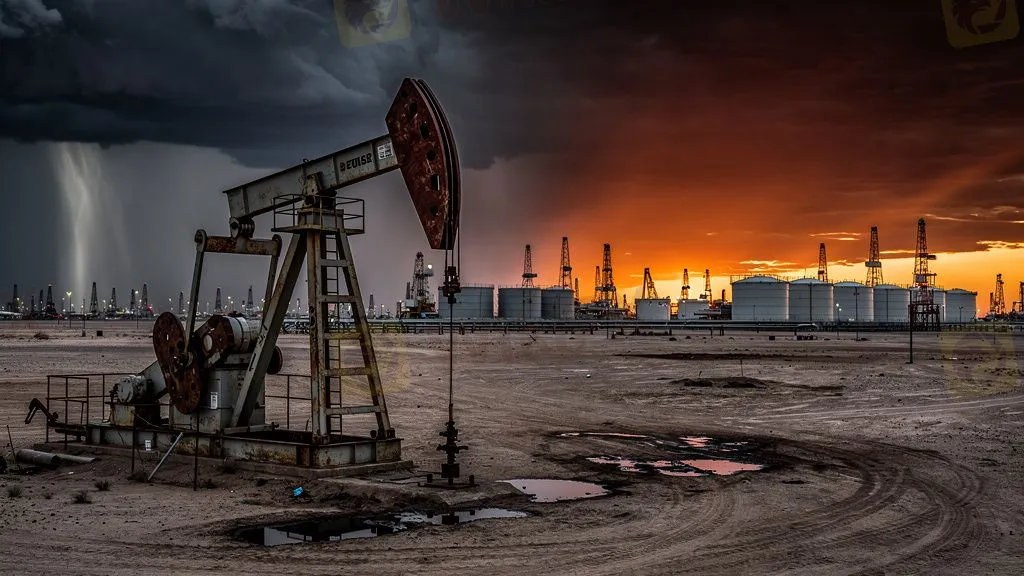
While WTI Crude climbed 1.2% to trade near $57.43 on Monday driven by immediate war risks, the medium-term outlook for energy markets is turning increasingly bearish. A structural super-glut is forming that could redefine market dynamics by 2026.
The 2026 Supply Storm
Macro analysis indicates that the core contradiction in the oil market is shifting from “demand destruction” to “supply saturation.”
- The Surplus: If OPEC+ unwinds its current production cuts, the market faces a potential surplus of 3.2 million barrels per day (bpd) in 2026.
- OPEC's Dilemma: The cartel faces a binary choice: continue ceding market share to preserve prices, or flood the market to discipline non-OPEC producers. The latter scenario would decimate budgets in Riyadh, Baghdad, and Abuja, potentially forcing fiscal austerity across the MENA region.
Immediate Drivers: War Risk Premium
Short-term price action, however, remains tethered to geopolitical escalation.
- Russia-Ukraine: Continued drone strikes on energy infrastructure.
- Middle East: Renewed Saudi airstrikes in Yemen and escalating rhetoric from Iran regarding a “comprehensive war” with the West.
- US Policy: The incoming Trump administration's aggressive enforcement of sanctions (e.g., recent tanker seizures) may tighten black-market supply flows from Venezuela and Iran.
Downstream Strategy Shift
To hedge against raw crude volatility, major producers are aggressively pivoting downstream. Massive investments in refining capacity in the Middle East and Eurasia aim to capture value-added margins. However, this creates a secondary risk: a glut in refined products (diesel, jet fuel) that could crush refinery margins globally.
Technicals: WTI remains in a long-term descending channel. Immediate resistance is viewed at $58.88, while critical support sits at $54.95, a breach of which could accelerate the downtrend toward multi-year lows.
Disclaimer:
The views in this article only represent the author's personal views, and do not constitute investment advice on this platform. This platform does not guarantee the accuracy, completeness and timeliness of the information in the article, and will not be liable for any loss caused by the use of or reliance on the information in the article.
WikiFX Broker
Latest News
Yen Surges on Pension Plan and Strong Inflation
 WikiFX
France’s AMF Warns Against 16 Unauthorized Online Investment Entities
WikiFXCan Meta Escape a US$610 Million WhatsApp Scam Lawsuit?
WikiFXHow the 3-Bullet Card Stops Forex Overtrading
WikiFXTRADE.COM Review 2026: Regulatory Status and Severe Withdrawal Complaints
WikiFXBank Customers Win Back RM211,000 After Insider Fraud
WikiFXFunding Pips Review 2026: Is This Forex Broker Safe?
WikiFXCash, Luxury and Live Streams: Malaysian Police Tighten Watch on Social Media Millionaires
WikiFX⚽💱 World Cup · Forex Predict & Win Event
WikiFXWikiEXPO Hong Kong 2026 Set to Open, Bringing Together Global Fintech Leaders to Explore the Future
WikiFX