

Global Broker Regulation Inquiry App
About WikiFX
English
简体中文
繁體中文
English
Pусский
日本語
ภาษาไทย
Tiếng Việt
Bahasa Indonesia
Español
हिन्दी
Filippiiniläinen
Français
Deutsch
Português
Türkçe
한국어
العربية
اردو
Souq Capital Exposed: DFSA Warns of Fake Licensing Claims and Unauthorized Status
Abstract:DFSA warns Souq Capital for fake licensing claims. WikiFX rates the broker 1.74/10 with "No Regulation" status. Read the full scam alert here.
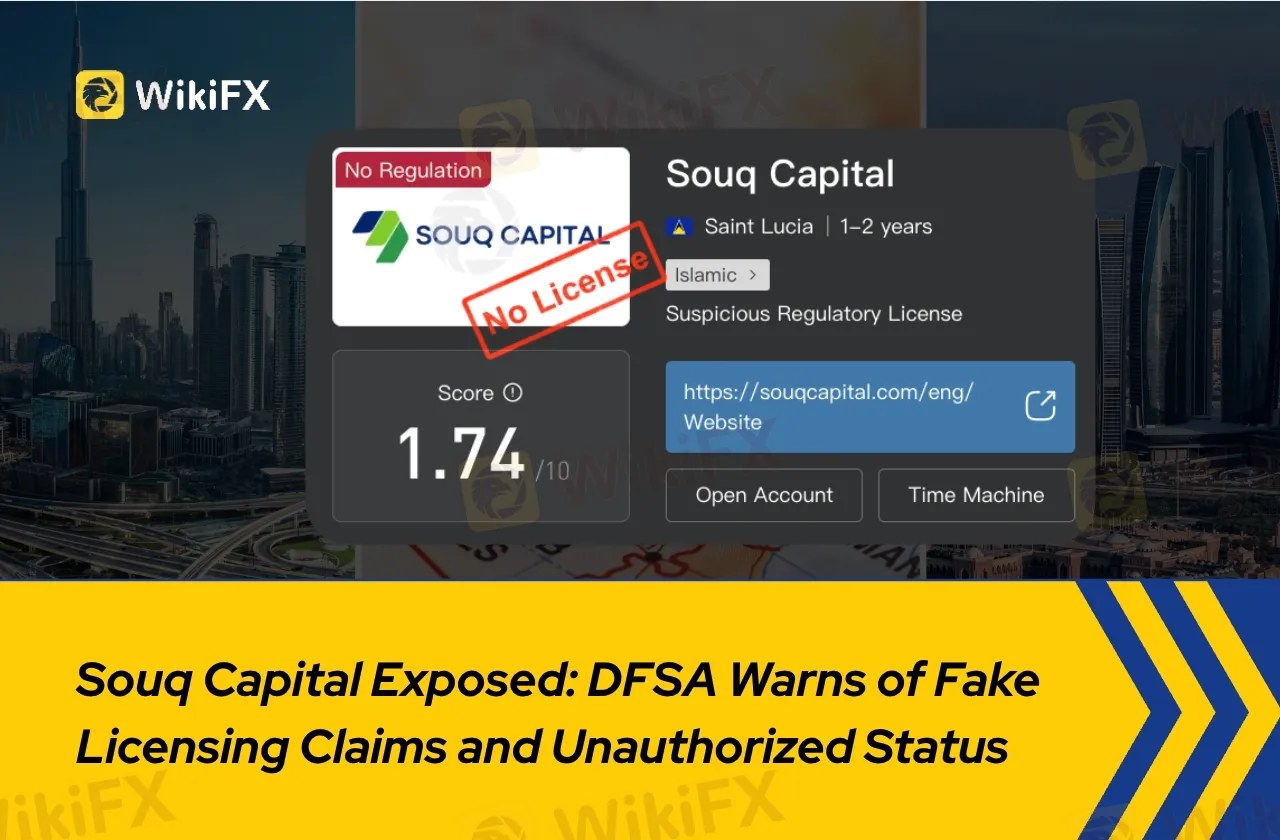
The Dubai Financial Services Authority (DFSA) has issued an urgent public alert regarding Souq Capital, an online trading platform operating via souqcapital.com. The regulator has accused the firm of fabricating credentials to masquerade as a legitimate financial services provider within the Dubai International Financial Centre (DIFC).
Fabricated Credentials: The “Clone” Tactic
The core of the DFSA‘s warning centers on Souq Capital's deceptive marketing. The firm has been displaying a counterfeit DFSA “Registered” number, attempting to convince traders that it is a licensed stakeholder in the UAE’s premier financial free zone.
The DFSA explicitly clarified that Souq Capital has no legal presence in the DIFC and holds no authorization to conduct financial services in or from the jurisdiction. This tactic, often referred to as “cloning,” allows unregulated entities to mimic the credibility of compliant firms, thereby bypassing investor due diligence.
WikiFX Analysis: “No Regulation” and Low Score
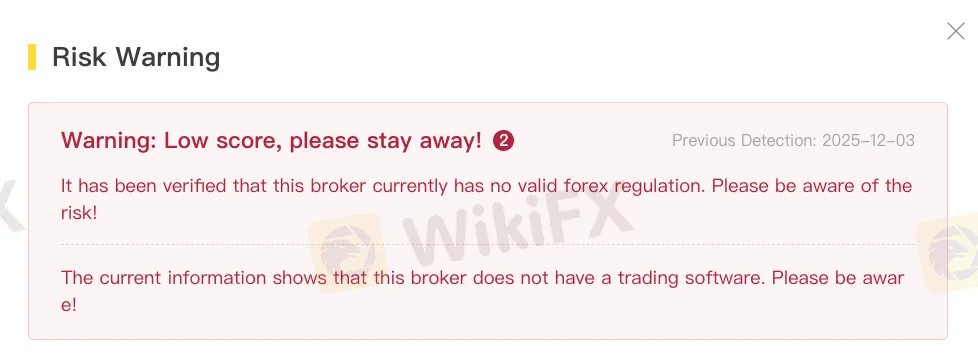
Independent data from WikiFX corroborates the regulator's warning, painting a bleak picture of the broker's reliability. According to the WikiFX database, Souq Capital holds a “No Regulation” status and has been flagged for a “Suspicious Regulatory License”.
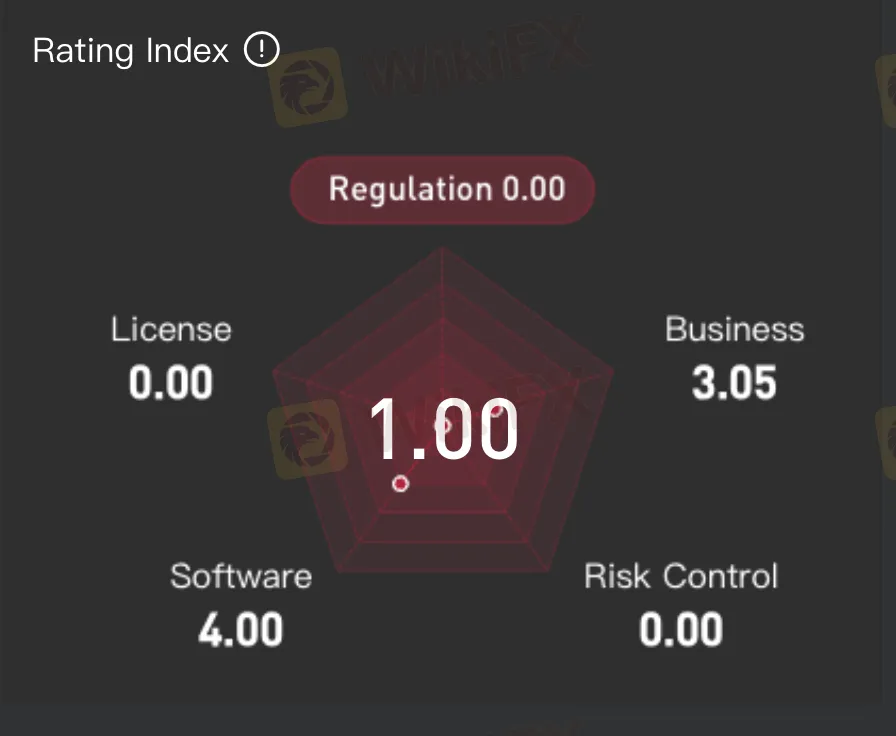
The platforms safety metrics are alarmingly low:
- WikiFX Score: A dangerous 1.74/10.
- Regulatory Index:0.00, confirming the lack of valid oversight.
- Risk Control Index:0.00, indicating zero protection mechanisms for client funds.
The Danger to Investors
The DFSA emphasized that the consequences of engaging with such entities are severe. Because Souq Capital operates entirely outside the regulatory perimeter, its clients are stripped of all standard protections. If the firm fails or engages in malpractice, investors have no access to official complaint channels or compensation schemes, leaving them with no legal recourse to recover losses.
How to Verify Safety: Use WikiFX to Spot Red Flags
In light of these sophisticated scams, relying solely on a broker's website claims is dangerous. Industry experts recommend using WikiFX as a primary verification tool before transferring any funds.
By searching for a broker on the WikiFX App, investors can instantly cross-reference regulatory claims against valid databases. As seen with Souq Capital, a quick check reveals the 1.74 low score and “No License” warning, providing definitive proof to avoid the platform entirely.
Disclaimer:
The views in this article only represent the author's personal views, and do not constitute investment advice on this platform. This platform does not guarantee the accuracy, completeness and timeliness of the information in the article, and will not be liable for any loss caused by the use of or reliance on the information in the article.
WikiFX Broker
Latest News
Malaysia’s Pension Fund (KWAP) Hit by eFishery Fraud Scandal with RM163 Million at Risk
 WikiFX
EMAR MARKETS Review 2026: FSCA Regulation, Withdrawal Complaints, and Account Access Risks
WikiFXFacing a 20% Floating Loss: How Beginners Can Prevent a Margin Call
WikiFXInstaForex Review 2026: Is This Forex Broker Safe?
WikiFXSandStoneFX Review 2026: Is This Forex Broker Safe?
WikiFXFake Investment Scam and Human Trafficking Network Busted with 109 Arrested
WikiFXForex Traders With Day Jobs: The PERKESO Deadline You Cannot Ignore
WikiFXMaxpro365 Review 2026: Where Is My $23,000? We Investigated User Allegations About Missing Funds
WikiFXHow Trading Costs Quietly Drain Your Account: Spreads, Swaps, and Pip Values
WikiFXWhy MetaTrader 4 Remains the Top Choice for Testing Automated Trading Robots
WikiFX