
Vietnam Becomes New Base for Cross Border Scam Syndicates After Cambodia Crackdown
Cross border scam syndicates are constantly adapting to evade law enforcement by moving from Cambodia to Vietnam.
Original

简体中文
繁體中文
English
Pусский
日本語
ภาษาไทย
Tiếng Việt
Bahasa Indonesia
Español
हिन्दी
Filippiiniläinen
Français
Deutsch
Português
Türkçe
한국어
العربية
اردو

Abstract:Two people have lost close to RM6 million to online investment scams, raising concerns about the growing threat of fraud on digital platforms in Malaysia.

Two people have lost close to RM6 million to online investment scams, raising concerns about the growing threat of fraud on digital platforms in Malaysia.
In one case, a 54-year-old company manager from Selangor lost RM2.65 million after being tricked by a fake investment scheme promoted on Facebook. According to Selangor police chief Datuk Hussein Omar Khan, the victim clicked on a Facebook ad that led him to a WhatsApp conversation with a woman who introduced herself as “Wendy Lim,” an alleged investment instructor.
She explained the investment programme and later added the man to a WhatsApp group. He followed the programme for two months. At first, he received RM100,000 as a return, which gave him confidence in the scheme.
Encouraged by this, he made 44 transfers totalling RM2,652,000 to nine different bank accounts. The payments were made after he was shown a supposed profit of almost RM8 million on the investment platform. However, when he tried to withdraw the profit, he was asked to pay several taxes first. That was when he realised something was wrong and filed a police report in Shah Alam.

In another case in Sepang, a 69-year-old German national lost over RM3 million in a scam involving people pretending to be from the Inland Revenue Board (IRB) and Bank Negara Malaysia (BNM). The scam started with an email asking him to open a UBS Bank account in Malaysia, claiming a large sum of money would be deposited into it.
To access the money, the victim was told to pay taxes to the IRB and BNM. Between 11 February and 14 April 2025, he made 25 transfers totalling RM3,089,800. After failing to get the promised money, he realised he had been deceived and reported the scam to the police.
Police have opened investigations under Section 420 of the Penal Code, which deals with cheating and fraud. Datuk Hussein explained that scammers often trick victims by showing small early profits to build trust, then asking for more money.
Authorities are warning the public to be cautious of investment schemes advertised on social media, especially those that promise high returns or sound too good to be true. To avoid falling for these scams, users are advised to check the legitimacy of any broker or investment platform before transferring money.

One useful tool is the WikiFX mobile app, which is available on Google Play and the App Store. It provides detailed information about financial brokers, including their licences, user reviews, and risk ratings. By using this app, investors can make informed decisions and avoid scams run by unlicensed or fake companies.
As online scams become more advanced, staying alert and doing proper checks are the best ways to protect your money.

Disclaimer:
The views in this article only represent the author's personal views, and do not constitute investment advice on this platform. This platform does not guarantee the accuracy, completeness and timeliness of the information in the article, and will not be liable for any loss caused by the use of or reliance on the information in the article.

Cross border scam syndicates are constantly adapting to evade law enforcement by moving from Cambodia to Vietnam.
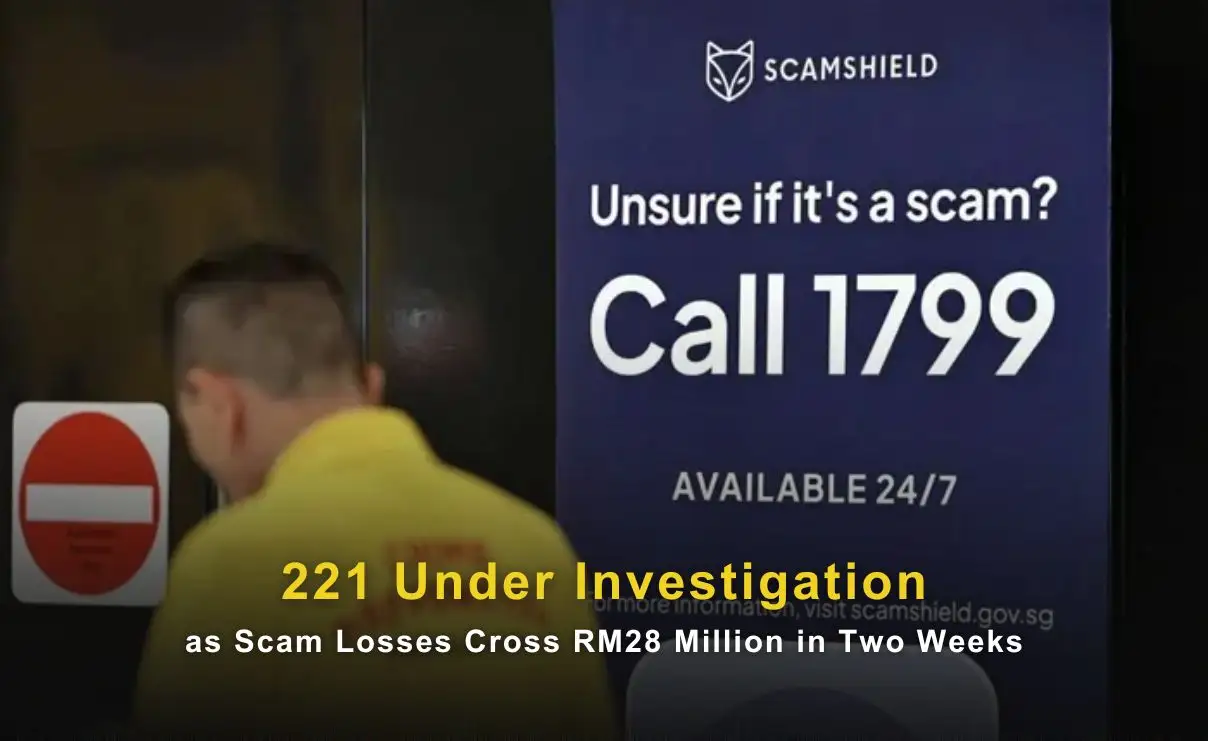
Singapore authorities have concluded a major anti-scam enforcement operation that resulted in 221 individuals being placed under investigation for their alleged roles in a wide range of fraudulent schemes.

Malaysia may be emerging as a new destination for transnational scam syndicates seeking to evade mounting pressure from international law enforcement agencies, according to a leading humanitarian organisation.

He Claimed Elite Connections. She Ended Up Losing Millions and Her Dream Car
