Abstract:The phrase "high risk, high reward" is often tossed around in the trading world, serving as a mantra for those chasing substantial gains in the financial markets. However, this is a statement that should not be taken lightly.
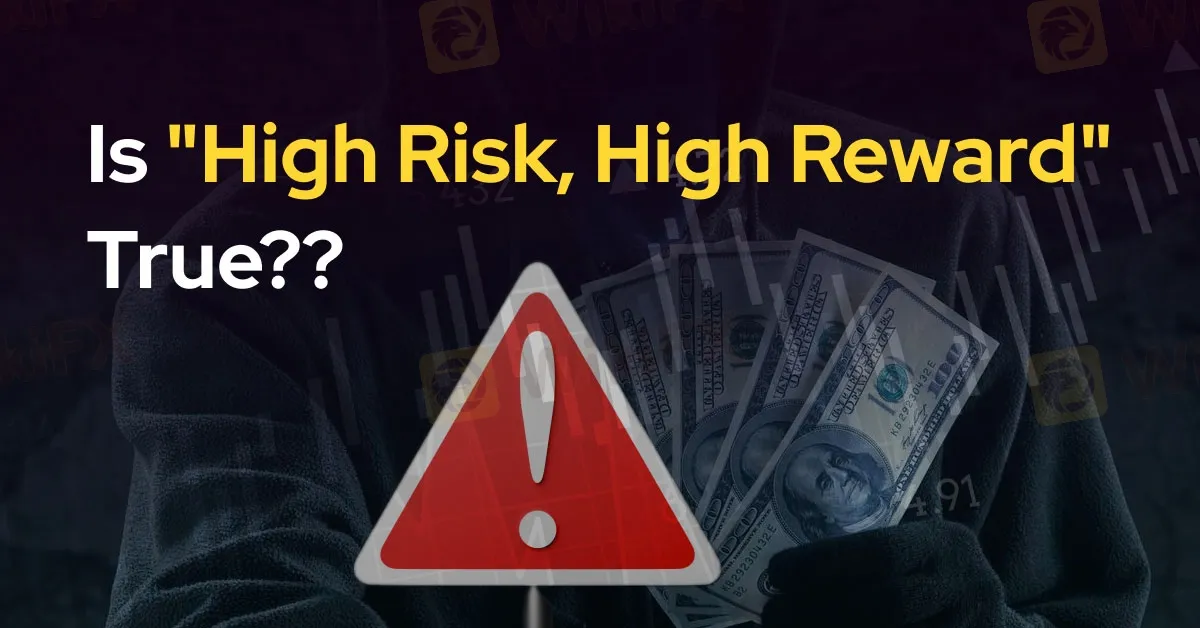
The phrase “high risk, high reward” is often tossed around in the trading world, serving as a mantra for those chasing substantial gains in the financial markets. It's a phrase that carries a sense of excitement and the promise of quick wealth. However, behind this enticing notion lies a stark reality that many traders overlook—a reality that can lead to devastating financial losses.
In the fast-paced world of online trading, the potential for quick profits can be incredibly alluring. Traders are constantly bombarded with success stories of individuals who turned small investments into massive windfalls. The rise of social media influencers and online trading communities has only amplified this, with many promoting the idea that anyone can strike it rich with the right strategy and a bit of luck.
But this narrative often glosses over the fact that high-stakes trading is a double-edged sword. While the potential for reward is indeed high, the associated risks are equally substantial—and often downplayed.
The concept of “high risk, high reward” hinges on the idea that the greater the risk, the greater the potential for profit. However, what is often omitted from this equation is the increased likelihood of loss. In trading, taking on higher risks doesn't just mean the possibility of losing some money; it can mean losing everything.
Leveraged trading, for example, allows traders to control large positions with relatively small amounts of capital. While this can amplify profits, it can also magnify losses. A small market movement in the wrong direction can wipe out an entire account in seconds, leaving traders with nothing but regret.
Moreover, the psychological toll of high-risk trading is significant. The stress of managing large, volatile positions can lead to impulsive decisions, clouded judgment, and ultimately, poor trading choices. The emotional rollercoaster of significant gains followed by crippling losses can also take a toll on a traders mental health, leading to burnout or even addiction.
The truth is, the majority of traders who engage in high-risk strategies do not end up making a profit. According to various studies and industry reports, a staggering percentage of retail traders—up to 80%—lose money in the markets. This statistic alone should serve as a wake-up call to those who believe that high-stakes trading is a sure path to wealth.
Yet, despite these odds, the allure of high rewards continues to draw traders in. The problem lies in the misconception that trading is a game of chance, where luck can overcome skill and strategy. In reality, successful trading requires discipline, careful risk management, and an understanding that losses are part of the process.
For every trader who strikes it big, there are countless others who lose everything. The stories of those who have lost their savings, retirement funds, or even their homes due to reckless trading are all too common. These cautionary tales are often overshadowed by the success stories that make headlines, but they are a sobering reminder of the risks involved.
Traders must remember that the markets are not a casino, and “high risk, high reward” should not be taken lightly. Before engaging in high-risk trading, it's crucial to fully understand the potential consequences and to have a solid risk management plan in place.
While the potential for high rewards in trading is real, so too are the risks. The allure of quick profits can cloud judgment and lead to dangerous decision-making. It's essential for traders to approach the markets with caution, respect the risks involved, and remember that the goal is not just to make money, but to protect what they already have.
In the end, trading is not about getting rich quickly; it's about building wealth steadily and sustainably. The next time you hear the phrase “high risk, high reward,” let it serve as a reminder of the dangers that come with chasing after big profits without fully understanding the risks. The markets can be a treacherous place for those who underestimate them.