Abstract:Coinbase faces SEC charges for unregistered operations, including its crypto asset trading platform and staking-as-a-service program. The case could reshape crypto exchange regulations.

A day after charging Binance, a large international cryptocurrency exchange, the U.S. The Securities and Exchange Commission (SEC) has now made identical claims against Coinbase, the second biggest cryptocurrency participant. According to the SEC, Coinbase has been operating its crypto asset trading platform illegally as an unregistered national securities exchange, broker, and clearinghouse.
Additionally, Coinbase has been charged with neglecting to register the offer and sale of its cryptocurrency asset staking-as-a-service program. In a departure from the Binance case, in which the exchange's founder, Changpeng “CZ” Zhao was specifically named, the SEC's charges against Coinbase did not mention the company's American founder and CEO, Brian Armstrong.
Operating Without Registration
In its complaint, the SEC asserts that since 2019, Coinbase has reaped substantial profits while illegally facilitating the purchase and sale of cryptocurrency securities. According to the agency, Coinbase combines the functions of an exchange, broker, and clearing agency without any of these services having been registered with the SEC, as mandated by law.
The SEC outlines various unregistered services offered by Coinbase. These services include providing a platform for buyers and sellers to trade securities, effecting securities transactions for its customer accounts, and serving as an intermediary in settling cryptocurrency securities transactions.
Accusations of Violations
The SEC complaint accuses Coinbase of denying investors key protections by failing to register, including the provision of safeguards against conflicts of interest, recordkeeping requirements, and inspection by the SEC. It further alleges that Coinbase Global Inc., Coinbase's parent company, is also liable for certain violations committed by Coinbase.
Allegations Related to Staking-as-a-Service Program
The SEC contends that since 2019, Coinbase has been involved in illegal securities offerings via its staking-as-a-service program. This program lets customers earn income from the proof-of-stake mechanisms of some blockchains and Coinbase's operations. It is alleged that Coinbase aggregates each customer's stakeable cryptocurrency assets to perform blockchain transaction verification services, then distributes a share of the rewards generated by this process to its customers. Coinbase has allegedly neglected to register the offers and sales of this staking program, as required by law.
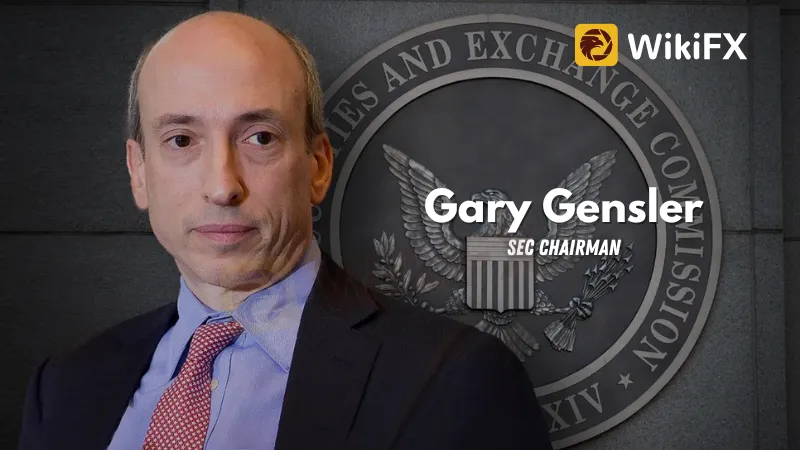
SEC Chair Gary Gensler criticized Coinbase's actions saying, “Coinbase, despite being subject to the securities laws, combined and unlawfully provided exchange, broker-dealer, and clearinghouse functions, which in other sectors of our securities markets, are distinct. Coinbase's supposed shortcomings strip investors of vital protections, including rulebooks that prevent fraud and manipulation, proper disclosure, and routine SEC inspection. Furthermore, as we allege, Coinbase never registered its staking-as-a-service program as required by the securities laws, again robbing investors of crucial disclosure and other protections.”
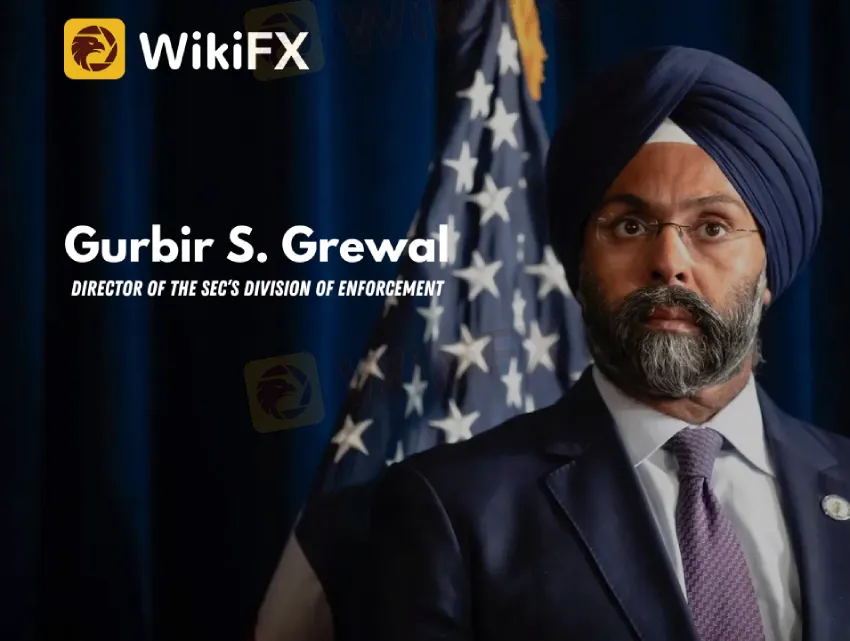
Gurbir S. Grewal, Director of the SECs Division of Enforcement, voiced similar sentiments. He stressed that disregarding rules due to preference or dislike was unacceptable, as this put the investing public at serious risk. Grewal stated that Coinbase's inability to comply with federal securities laws, although fully aware of their significance to its business operations, might have enabled the platform to collect billions at the expense of depriving investors of their legal rights.
The SEC has filed a lawsuit against Coinbase and Coinbase Global Inc. in the United States District Court for the Southern District of New York, claiming that they violated several registration requirements of the Securities Exchange Act of 1934 and the Securities Act of 1933. Penalties, disgorgement of ill-gotten earnings with interest, injunctive relief, and other equitable remedies are sought by the government.
Legal Fallout Expected
This high-profile case marks another turning point in the ongoing struggle between regulators and crypto businesses. The SEC's aggressive charges against Coinbase are indicative of the increased scrutiny that digital currency platforms are facing. The repercussions of this lawsuit could potentially shape the regulatory landscape for crypto exchanges, possibly leading to a more tightly controlled and supervised digital asset industry.
Investor Reaction
The charges against Coinbase have naturally spurred anxiety among investors who had been attracted to the platform's easy-to-use services and its vast selection of cryptocurrencies. With the platform's legality being called into question, many investors could be weighing their options and considering alternatives.
Coinbase's Stance
Coinbase has yet to release an official response to the allegations, but it is expected that the company will refute the charges robustly. The platform's proponents argue that a large and well-established exchange like Coinbase would be unlikely to flout regulatory requirements intentionally.
Going Forward
This case emphasizes the necessity of openness and regulatory compliance for all market players, particularly in the quickly changing and complicated world of cryptocurrencies. Regardless of the decision, the lawsuit is intended to raise investor awareness and encourage more careful investing behavior in the cryptocurrency market.
Moving forward, investors are urged to stay updated with the latest developments in the case. The WikiFX App is one such platform that offers real-time news updates for its users. To access the latest news, download and install the WikiFX App on your smartphone via the following link: https://social1.onelink.me/QgET/px2b7i8n.