


Global Broker Regulation Inquiry App
About WikiFX
English
简体中文
繁體中文
English
Pусский
日本語
ภาษาไทย
Tiếng Việt
Bahasa Indonesia
Español
हिन्दी
Filippiiniläinen
Français
Deutsch
Português
Türkçe
한국어
العربية
اردو
New Trading Scam Is Spreading Fast | Even Experts Are Falling for It
Abstract:Beware traders and investors! A new wave of highly sophisticated online scams is reshaping the threat landscape, even the pros have fallen for it!
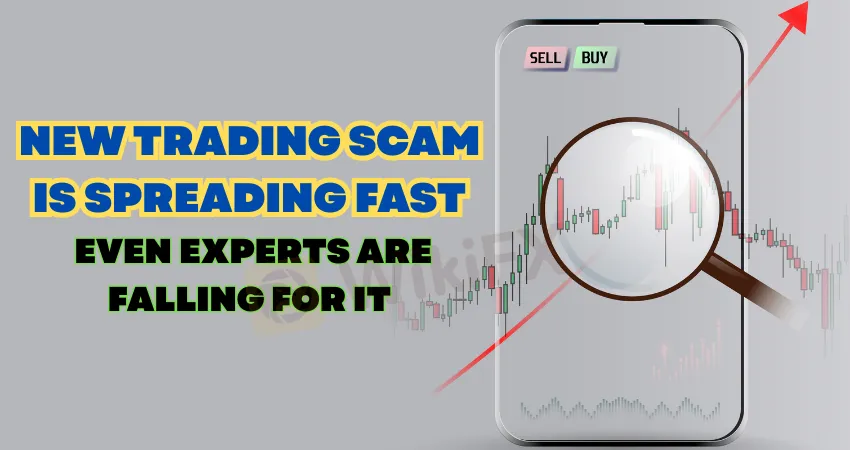
A new wave of highly sophisticated online scams is reshaping the threat landscape for retail traders. Unlike traditional fraud schemes that rely on obvious deception, these operations are carefully engineered to mimic legitimate trading environments with striking accuracy where even experienced investors and traders are being misled.
At the centre of this trend is a tactic that combines phishing, social engineering, and data exploitation into a seamless experience. Victims are typically approached through what appears to be an urgent notification from their broker. These alerts often warn of suspicious activity, triggering immediate concern and prompting quick action.
What makes these scams particularly dangerous is the level of detail involved. Fraudsters replicate official broker applications, websites, and communications with precision. Logos, colour schemes, fonts, and user interfaces are copied so convincingly that the counterfeit platforms are nearly indistinguishable from the real ones. In many cases, the fake platforms display account balances, recent trades, and even live market data, creating a false sense of authenticity.
This realism is not accidental. Scammers increasingly rely on partial data obtained through previous breaches, public sources, or careless online sharing. By incorporating fragments of real user information, they reinforce credibility and reduce suspicion at critical moments.
Once a user logs into one of these fake platforms, the scam typically escalates quickly. A fabricated warning such as a large, unauthorised withdrawal appears, creating urgency and fear. The user is then instructed to contact a “security team” via a phone number provided on the platform.
The next phase involves direct human interaction. Victims are connected to individuals trained to sound professional, calm, and authoritative. These impersonators guide users through a supposed verification process, requesting sensitive information such as account passwords, personal identification details, and security answers.
A key feature of this approach is the strategic use of information already known to the scammers. By demonstrating partial knowledge of the victims identity, they increase trust and encourage compliance. This psychological manipulation is often more effective than technical hacking alone.
The final stage of the scam is designed to extract funds rapidly. Victims are instructed to transfer their money into a “secure” or “temporary holding” account, supposedly to protect their assets from the fabricated threat. Supporting documents, often styled with legal language and official branding, are provided to legitimise the request.
In reality, this transfer represents the point of no return. Once funds are moved to these external accounts, recovery becomes extremely difficult.
This form of fraud is particularly effective against traders because it exploits behavioural patterns common in financial markets. Traders are accustomed to acting quickly in response to changing conditions. Scammers use this instinct against them, creating high-pressure scenarios that discourage careful verification.
Moreover, the increasing quality of fake platforms has lowered the barrier to deception. Some counterfeit systems now feature live charts, real-time pricing, and integrated news feeds, making them appear as advanced as legitimate trading tools.
The risk is further amplified by the amount of personal information traders share online. Social media posts, trading screenshots, and discussions in forums can provide valuable insights into account size, broker choice, and trading habits. This information allows scammers to tailor their approach with alarming accuracy.
To counter these threats, industry experts stress the importance of strict security habits. Investors should never access financial accounts through links provided in emails, messages, or notifications. Instead, they should manually enter official website addresses or use verified mobile applications.
Any request to transfer funds outside a regulated platform should be treated as fraudulent. Legitimate brokers do not ask clients to move money to external accounts for security purposes. Verification should always be conducted through official contact details obtained directly from the brokers website or documentation.
In addition, enabling two-factor authentication, using strong and unique passwords, and employing password management tools are now essential safeguards. Reducing the amount of personal and trading-related information shared publicly can also limit exposure.

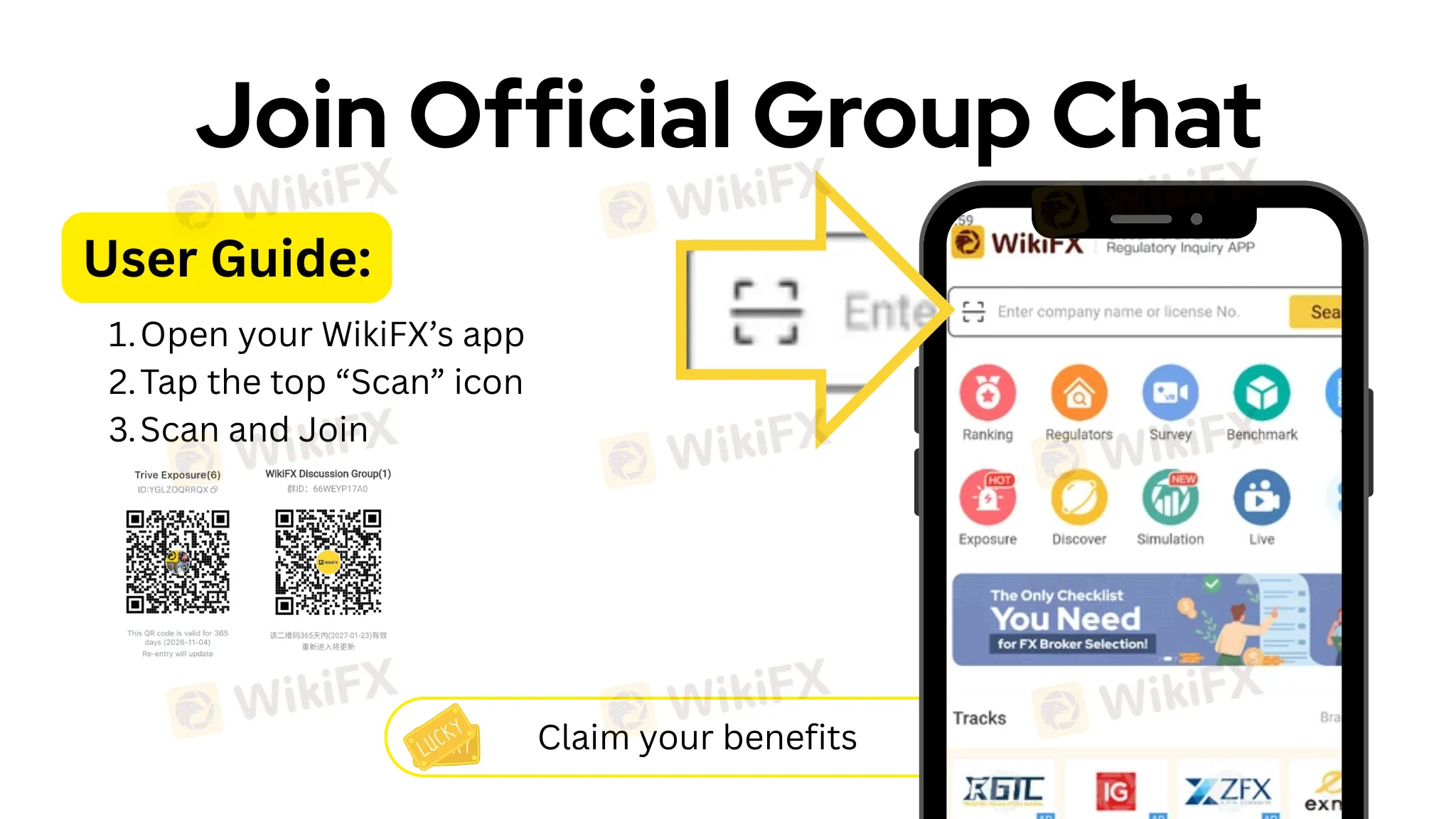
As incidents like this become increasingly common, tools such as WikiFX can play a vital role in helping individuals verify the legitimacy of brokers and financial platforms. WikiFX offers an extensive database of global broker profiles, regulatory status updates, and user reviews, enabling users to make informed decisions before committing to any financial investment. Its risk ratings and alerts for unlicensed or suspicious entities help investors easily spot red flags and avoid potential scams. By using tools like WikiFX to research a broker's background, individuals can safeguard their hard-earned savings and reduce the risk of falling victim to fraudulent schemes.
Disclaimer:
The views in this article only represent the author's personal views, and do not constitute investment advice on this platform. This platform does not guarantee the accuracy, completeness and timeliness of the information in the article, and will not be liable for any loss caused by the use of or reliance on the information in the article.
WikiFX Broker
Latest News
Final Hours for OneCoin Victims: Billions Lost as DOJ Compensation Deadline Looms
 WikiFX
He Promised 15% Returns. Now Over 300 Investors Lost $60 Million.
WikiFXUS-Iran Tension Rattles Indian Stock Markets Today; Still Some Gained in a Gloomy Scenario
WikiFXWhy Your Buy Limit Triggered Three Days Too Late
WikiFXReview 2026: OROKU EDGE Regulation Warnings, Withdrawal Complaints, and High Leverage
WikiFXThe Hidden Drivers of Forex: How Bank Rates and Revaluations Move the Market
WikiFXHow to Measure True Currency Strength Beyond a Single Pair
WikiFXThe Stop Loss Safe Zone: Surviving Breakouts at Key Highs and Lows
WikiFXFXPIG Review 2026: Revoked Regulation and Withdrawal Complaints
WikiFXReview 2026: Webull FSA Regulation, Mobile App Access, and Complaint Signals
WikiFXCurrency Calculator
USD

CNY
Current Rate:0
Enter amount
USD
Redeemable Amount
CNY
Calculate 