Abstract:CFTC, DOJ, and SEC announced its first coordinated federal action against voluntary carbon market fraud involving CQC, highlighting the need for stricter regulation of carbon offsets.
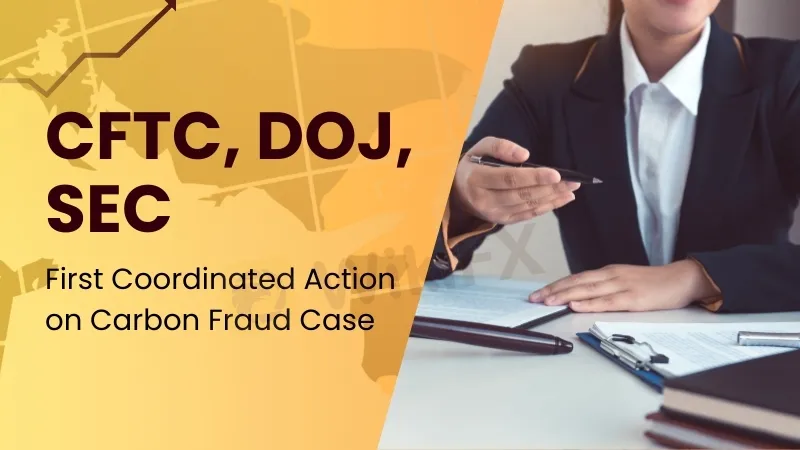
The U.S. Commodity Futures Trading Commission (CFTC), Department of Justice (DOJ), and Securities and Exchange Commission (SEC) have taken their first big action in the voluntary carbon market. They are going after CQC Impact Investors LLC (CQC) and its leaders for making millions of fake carbon offsets. This case shows that the U.S. government is starting to pay more attention to carbon markets.
 Contents
 First Federal Action on Carbon Fraud
On October 2, 2024, the CFTC, DOJ, and SEC filed charges against CQC and its former leaders. They are accused of faking data about projects that reduce carbon emissions, leading to the creation of 6 million fake carbon offsets. This is the first time the government has taken such strong action against fraud in the voluntary carbon market. It sets a big example for the future.
The CFTC filed its case against the companys former CEO in New York, while the DOJ and SEC charged other key executives. CQC agreed to pay a $1 million fine and cancel all the fake offsets. This action shows that regulators want to make carbon markets more honest and open.
Fake Data and Greenwashing
CQCs projects were supposed to help cut pollution in sub-Saharan Africa, Asia, and Central America. They were aimed at installing clean cooking systems and energy-efficient lightbulbs. But CQC faked the results, making it seem like their projects reduced more emissions than they 2really did. This lets them create extra carbon offsets, which they used to raise $250 million from investors. This is an example of “greenwashing,” when companies pretend to help the environment more than they actually do.

Court records showed that CQC managers told their staff to submit fake data. This made it look like the projects were more successful than they were. This dishonesty hurt investor confidence and made people question the honesty of the voluntary carbon market.
Regulators Response and the Future
The CFTC, DOJ, and SECs actions show that regulators are paying more attention to the voluntary carbon market. As these markets grow, especially as companies try to meet environmental goals, there is more risk of fraud.
CQC‘s fraud was discovered in 2023 after some employees raised concerns. The company’s board confirmed the fraud, changed leadership, and told regulators about the issue. Their cooperation helped reduce their penalties.
The Investigation
This case marks a new chapter in U.S. regulation of carbon markets. The CFTC‘s Environmental Fraud Task Force, DOJ’s Fraud Section, and SECs Division of Enforcement all worked together to investigate. It shows that these agencies are committed to stopping fraud in the carbon market.
The CQC case also highlights the need for more oversight and transparency in carbon trading. As carbon markets expand, so do the risks of fraud and greenwashing. Regulators are likely to increase efforts to enforce the rules and protect the market.
Conclusion: What This Means for Carbon Market Players
The actions taken against CQC are a warning for anyone involved in the carbon market. Companies, investors, and environmental experts should see this as a reminder of the dangers of fraud. As regulations tighten, companies must ensure their projects are accurate and honest to avoid getting into legal trouble.
For regulators and environmental advocates, this case is an important step in protecting the integrity of carbon markets. As more companies join voluntary carbon offset programs, we will likely see more actions against fraud. This shows the need for stronger rules to stop greenwashing and fraud in carbon trading.
Get the latest on carbon fraud and regulatory action. Read more now on news.html" target="_self" style="color: rgb(46, 82, 153);">WikiFX News!